How Scary? Assessing the 49ers' Revamped 2026 Receiving Corps
How Scary? Assessing the 49ers' Revamped 2026 Receiving Corps
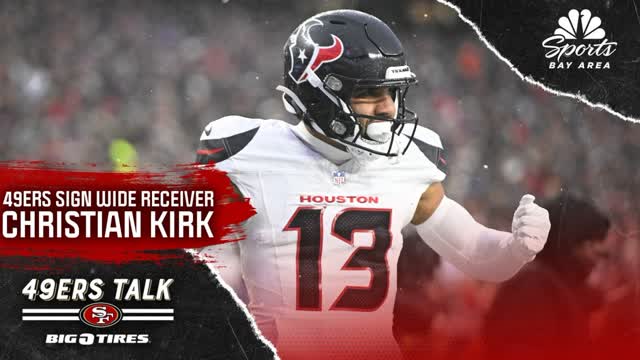
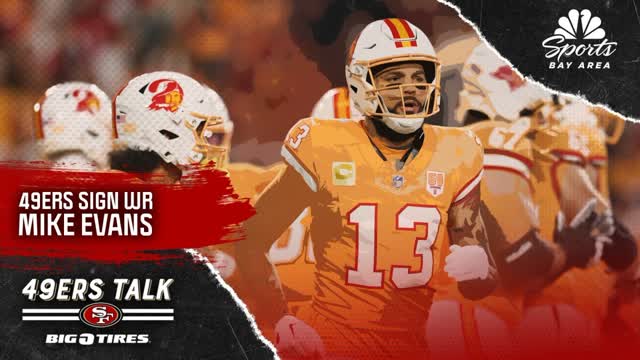
The San Francisco 49ers' wide receiver room has undergone a total metamorphosis, leaving the rest of the NFL to wonder: just how dangerous can this unit be in 2026? After the high-profile departures of franchise stalwarts over the past two years, the 49ers have officially entered a new era. The current depth chart features a fascinating blend of size, speed, and technical precision, headlined by the newly signed veteran Mike Evans, rising second-year star Ricky Pearsall, and the recently acquired speedster Christian Kirk. For defensive coordinators in the NFC West, this new-look group presents a nightmare of conflicting archetypes.
The 49ers’ identity has traditionally been rooted in physical, run-blocking receivers who excel after the catch. However, the 2025 season—which ended in a disappointing 41-6 postseason loss to the Seattle Seahawks—exposed a lack of pure verticality and "big-play" potential. By pivoting toward Evans (6'5") and Kirk (a proven deep threat), Kyle Shanahan is evolving his offense to become more explosive. Brock Purdy, coming off a season where he navigated intense pressure, now finds himself with a trio of targets that can win at every level of the field.
The Three-Headed Monster: Evans, Pearsall, and Kirk
At the top of the rotation is Mike Evans, whose arrival in San Francisco was the seismic event of the 2026 free agency period. Evans brings a Hall of Fame resume and a massive catch radius that the 49ers haven't possessed in years. Occupying the other outside spot is Ricky Pearsall, the 2024 first-round pick who emerged as a refined route-runner during his rookie campaign. Pearsall's ability to create separation in the intermediate game makes him the perfect "connector" for this offense.
The final piece of the puzzle is Christian Kirk. Signed to a one-year deal, Kirk is expected to operate primarily from the slot, where his speed can exploit mismatches against linebackers and nickel corners. Kirk’s playoff pedigree—including a 144-yard outing with Houston last January—suggests he is the missing ingredient for a team that struggled to find explosive plays in late-season matchups. Together, this trio forces defenses to choose between doubling the size of Evans, the technicality of Pearsall, or the vertical threat of Kirk.
Depth and Tactical Diversity
Beyond the big three, the 49ers have quietly bolstered their depth with Demarcus Robinson and Jacob Cowing, ensuring that the offense remains potent even during injury rotations. This depth is critical as the team navigates a 2026 schedule that looks to be one of the toughest in recent memory. With a projected top-5 offensive ranking heading into the summer, the 49ers have used their league-leading salary cap flexibility—bolstered by a $20.7 million adjustment—to build a roster that is built for a deep January run.
Final Take: A New Identity
While the "YAC Bros" era of the 49ers was successful, this 2026 version feels more balanced and harder to scheme against. If the offensive line can protect Purdy, this receiver room has the potential to be the most prolific in the Shanahan era. The 49ers are no longer just a run-first team; they are a multidimensional juggernaut that can beat you with finesse just as easily as they used to beat you with force.