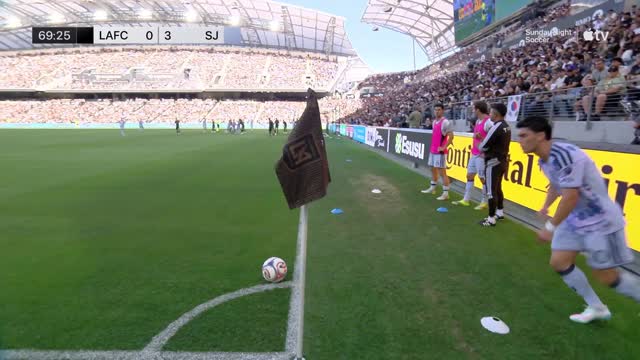
Earthquakes Shunt LAFC Aside in Statement 4-1 Road Victory
Earthquakes Shunt LAFC Aside in Statement 4-1 Road Victory
The San Jose Earthquakes delivered a tactical masterclass on Sunday night, dismantling Los Angeles FC 4-1 in a high-stakes Cali Clásico that sent shockwaves through the Western Conference. In a match that many expected to be a defensive stalemate, the Quakes exploded for three goals in a blistering six-minute window during the second half, ending LAFC’s aura of invincibility at BMO Stadium. The victory not only serves as a massive psychological boost for San Jose but also propels them into a tie for first place in the Supporters' Shield race.
The first half offered little hint of the carnage to follow. Both sides entered the match boasting the stingiest defenses in MLS, and the opening 45 minutes reflected that discipline. Hugo Lloris, LAFC’s veteran netminder, looked set to extend his historic scoreless streak, while San Jose’s Daniel was equally sharp, denying a goal-bound volley from Son Heung-min just after the restart. However, the game flipped on its head in the 53rd minute when Ousseni Bouda found the back of the net, marking the first time a player has beaten Lloris in over 590 minutes of play this season.
Once the levee broke, the floodgates opened. Just three minutes after Bouda’s opener, marquee signing Timo Werner doubled the lead with a clinical finish that left the home crowd in stunned silence. The momentum was entirely with the visitors, and before LAFC could even regroup, a deflected effort resulted in an own goal that made it 3-0. It was an uncharacteristic collapse for a Steve Cherundolo-led side that had previously been 6-0-1 at home across all competitions this year.
For San Jose, this result is a testament to the culture shift under head coach Bruce Arena. Now in his second season with the club, Arena has transformed a perennial underdog into a legitimate title contender. The Earthquakes (7-1-0) have now won all four of their road matches this season, showing a level of resilience and clinical finishing that was sorely lacking in previous campaigns. Their ability to weather the early LAFC pressure and strike with such precision in transition has become a hallmark of their 2026 identity.
LAFC (5-2-1) managed a late consolation thanks to a bizarre own goal from Reid Roberts, but any hope of a miraculous comeback was extinguished when Bouda added his second of the night in the 80th minute. The loss is LAFC's second straight in league play, raising questions about their depth as they balance domestic duties with a deep run in the Concacaf Champions Cup. While the Black & Gold still sit third in the West, this performance will require a rigorous post-mortem before they face the Colorado Rapids on Wednesday.
As the MLS season enters its middle third, the balance of power in California appears to be shifting. The Quakes have not won at BMO Stadium in over five years, but the manner of this victory suggests they are no longer intimidated by the bright lights of Los Angeles. With a roster clicking at the right time and a veteran coach pulling the strings, San Jose has officially transitioned from a surprise package to the team to beat in the West.
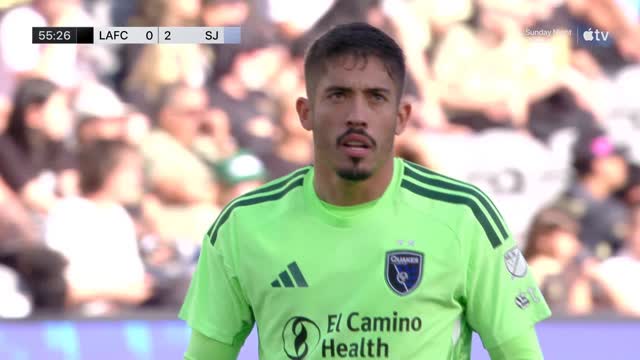
Timo Time in San Jose: Werner Opens MLS Account in Style
Timo Time in San Jose: Werner Opens MLS Account in Style
After weeks of anticipation and a brief stint on the injury report, Timo Werner has officially announced his arrival in Major League Soccer. The former UEFA Champions League winner produced a breathtaking solo goal and an assist on Sunday night to lead the San Jose Earthquakes to a dominant 4-1 win over LAFC. It was a vintage performance from the German international, whose pace and directness proved to be the kryptonite for a previously impenetrable LAFC backline.
The breakthrough came in the 56th minute, just moments after Werner had provided the assist for Ousseni Bouda’s opening goal. Receiving a pass in transition, Werner drove at the heart of the defense, feinted past Nkosi Tafari with a deceptive drop of the shoulder, and calmly slotted a right-footed shot into the bottom corner. The goal marked his first since joining San Jose from RB Leipzig earlier this year, and the relief was visible on the striker's face as he celebrated with the traveling supporters. For a player who has faced scrutiny regarding his finishing in Europe, this was a clinical reminder of the quality he brings to Bruce Arena’s squad.
Beyond the scoresheet, the match carried a significant emotional weight for Werner as he faced off against his former Tottenham Hotspur teammate, Son Heung-min. The two shared a warm embrace before kickoff, but once the whistle blew, it was Werner who stole the spotlight. While Son struggled to find space against a compact San Jose defense, Werner thrived in the open areas created by the Quakes' counter-attacking system. His ability to combine with young talents like Beau Leroux and Ousseni Bouda suggests that the Earthquakes' attack is becoming one of the most multi-dimensional units in the league.
Head coach Bruce Arena was full of praise for his star attacker following the match. "You can see that Timo's going to be a special player for us," Arena told reporters. "It’s going to take a little time to get his full fitness and rhythm, but his quality is undeniable. He’s the missing piece we needed to compete at the very top of this league." Werner’s impact was statistically evident as well, leading his side in touches in the opposition box and chances created during his 76 minutes on the pitch.
San Jose’s victory moves them to 21 points, level with the Vancouver Whitecaps at the top of the Western Conference. The "Werner Era" in San Jose is off to a flying start, and if the German can maintain this level of productivity, the Quakes' dreams of a first MLS Cup since 2003 may not be so far-fetched. With seven wins in their first eight matches, San Jose is currently enjoying the best start in franchise history, fueled by a perfect blend of veteran international experience and rising domestic stars.
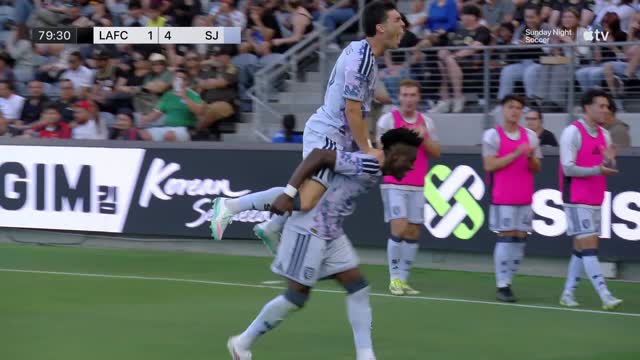
Bouda’s Brace Silences BMO Stadium as Quakes Snap Lloris’ Streak
Bouda’s Brace Silences BMO Stadium as Quakes Snap Lloris’ Streak
In a night defined by star power and high-profile transfers, it was 25-year-old Ousseni Bouda who walked away as the hero of the Cali Clásico. The San Jose winger netted two crucial goals, including a late dagger in the 80th minute, to secure a 4-1 victory for the Earthquakes over LAFC. Bouda’s first goal of the night was particularly significant, as it ended LAFC goalkeeper Hugo Lloris' incredible 593-minute shutout streak to start the 2026 season, a club record that had seemed unbreakable until Sunday night.
The first goal arrived in the 53rd minute following a scoreless opening half. Timo Werner, showing great vision on the left wing, fizzed a low cross into the area that Bouda met at the far post with a composed finish. The goal shifted the entire momentum of the match, forcing LAFC to abandon their disciplined defensive structure and play into the Quakes' hands. While Werner and other veterans often grab the headlines, Bouda’s growth under Bruce Arena has been one of the most underrated storylines in MLS this year. His pace and improved decision-making have made him a nightmare for fullbacks across the league.
After LAFC managed to claw one back through a fluke own goal, the tension at BMO Stadium began to rise. The home fans sensed a comeback, but Bouda had other ideas. In the 80th minute, as LAFC pushed numbers forward, San Jose launched a clinical counter-attack. Niko Tsakiris, having a career year in the midfield, threaded a perfect ball through to Bouda, who didn't hesitate. His second finish was a powerful strike that left Lloris with no chance, effectively ending the contest and securing three vital points for the visitors.
The brace takes Bouda’s season tally to four goals, already eclipsing his total from the previous year. His evolution from a promising prospect to a reliable finisher has been central to San Jose’s rise to the top of the Western Conference. "Ousseni has worked incredibly hard on his final product," said Arena. "We know he has the speed, but tonight he showed the composure of a veteran. Scoring twice in an environment like this against a goalkeeper of Lloris' caliber is a massive statement."
The Earthquakes now return home to PayPal Park with their heads held high, having completed a perfect four-for-four run on the road to start the year. For Bouda, the performance cements his place as a locked-in starter in an increasingly competitive attacking rotation. As the Quakes prepare for a top-of-the-table clash with Vancouver in three weeks, the Burkina Faso international will undoubtedly be a key figure in Bruce Arena’s tactical plans.
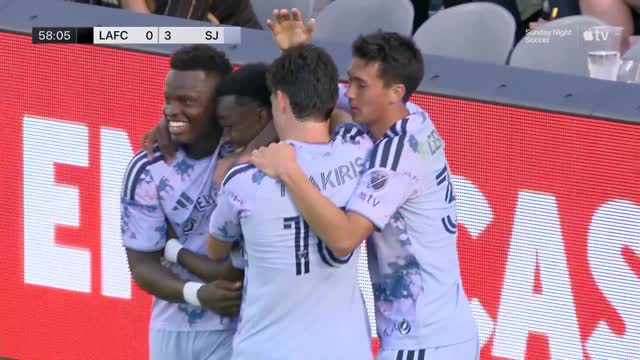
Defensive Disaster: Porteous and LAFC Left Reeling After Six-Minute Collapse
Defensive Disaster: Porteous and LAFC Left Reeling After Six-Minute Collapse
For 50 minutes on Sunday night, the LAFC defense looked like the gold standard of Major League Soccer. Led by Scottish international Ryan Porteous and veteran Hugo Lloris, the Black & Gold had successfully frustrated the high-flying San Jose Earthquakes, keeping their fifth clean sheet of the season within reach. However, what followed was a catastrophic six-minute stretch that saw the league's best defense concede three goals, including a demoralizing own goal involving Porteous that effectively ended the match as a contest.
The collapse began in the 53rd minute when Ousseni Bouda escaped his marker to tap in the opener. Before LAFC could settle their nerves, Timo Werner capitalized on a rare lapse in positioning to make it 2-0. The most painful blow came just two minutes later; a speculative San Jose effort took a wicked deflection off the unlucky Porteous, trickling past a wrong-footed Lloris into the net. While the scoreboard credited it as an own goal, it felt like a summary of the evening for a backline that had been near-perfect until that moment.
Porteous, who joined LAFC from Watford last August, has generally been a revelation for the club. His physicality and leadership helped steer the team to a deep playoff run in 2025, and he entered this season as the undisputed leader of the defensive unit. However, the speed of San Jose's transitions exposed a lack of communication in the heart of the defense on Sunday. Without the injured Aaron Long to provide veteran stability alongside him, Porteous was forced to cover significant ground, often leaving gaps that the Quakes' attackers were all too happy to exploit.
Despite the nightmare scoreline, Porteous remained active, finishing the match with a team-high 13 clearances and two blocked shots. But in a game of fine margins, the Scottish defender's night will be remembered for the fluke goal that gave San Jose a three-goal cushion. "It’s a tough one to take," Steve Cherundolo admitted in his post-game press conference. "Ryan is a competitor and he’ll bounce back, but as a unit, we cannot afford to lose our focus for ten seconds, let alone six minutes. We got hit in the mouth and we didn't respond correctly."
The loss marks the first time in recent memory that LAFC has conceded four goals at BMO Stadium. The defeat is further compounded by the fact that they allowed San Jose to leapfrog them in the standings. With a midweek clash against the Colorado Rapids looming, Porteous and the rest of the defensive corps will have little time to dwell on the errors. They must quickly rediscover the form that saw them go nearly 600 minutes without conceding if they hope to maintain their pursuit of the Supporters' Shield.
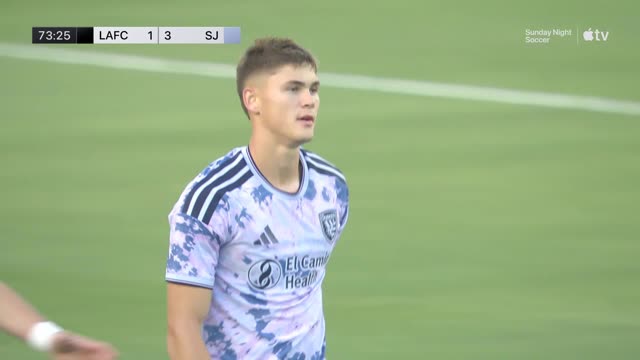
Chaos at BMO: Own Goal Madness Defines Bizarre Cali Clásico Finish
Chaos at BMO: Own Goal Madness Defines Bizarre Cali Clásico Finish
The rivalry between LAFC and the San Jose Earthquakes has seen its fair share of drama over the years, but Sunday night's encounter at BMO Stadium added a surreal chapter to the Cali Clásico history books. In a game that finished 4-1 in favor of the visitors, the narrative was driven as much by fluke deflections and defensive mishaps as it was by tactical brilliance. Two bizarre own goals—one for each side—defined a chaotic second half that left both sets of fans scratching their heads at the unpredictability of the beautiful game.
The strangeness began in the 58th minute. With San Jose already leading 2-0 thanks to quickfire strikes from Bouda and Werner, the Quakes looked to kill the game off. A hopeful ball into the box was partially cleared, but the rebound struck LAFC defender Ryan Porteous at high speed. The ball took a cruel trajectory, bypassing Hugo Lloris and nestling into the corner. It was a goal that felt like a knockout blow, coming just five minutes after the first, and it underscored a night where nothing seemed to go right for the home side's defensive unit.
Not to be outdone in the category of misfortune, San Jose defender Reid Roberts found himself in a similarly agonizing position in the 74th minute. As LAFC searched for a way back into the match, a low cross was whipped across the face of the San Jose goal. Roberts, attempting to slide and clear the danger before an LAFC attacker could reach it, accidentally poked the ball past his own goalkeeper, Daniel. The own goal briefly breathed life into the stadium, cutting the lead to 3-1 and threatening to ignite a frantic final fifteen minutes. It was a particularly harsh moment for Roberts, who had otherwise put in a disciplined performance against the likes of Son Heung-min and Denis Bouanga.
The match eventually settled when Ousseni Bouda scored a legitimate fourth for San Jose, but the post-game discussions centered heavily on the "cruel" nature of the own goals. "Sometimes the ball just doesn't bounce your way," San Jose coach Bruce Arena remarked. "Reid [Roberts] made the right decision to challenge for the ball, it was just a bad break. Fortunately, we had the cushion to absorb it. On another night, those types of moments decide the season."
For LAFC, the own goal by Porteous was the first they had conceded in domestic play this year, adding a layer of irony to a night where their record-breaking scoreless streak also came to an end. As both teams look ahead to a busy spring schedule, the highlights of this match will serve as a reminder of how quickly momentum can shift in MLS. While San Jose walks away with the three points and the bragging rights, the 2026 edition of the Cali Clásico will be remembered for the bizarre sequence of events that saw two of the league's top defenders find the wrong net.

The Crown Triumphant: Charlotte FC Stuns NYCFC for First Road Win of 2026
The Crown Triumphant: Charlotte FC Stuns NYCFC for First Road Win of 2026
In a dramatic encounter at Citi Field, Charlotte FC secured their first away victory of the 2026 MLS season, defeating New York City FC 2-1 on Saturday night. The match was a tale of defensive resilience and clinical finishing from the visitors, who withstood a relentless attacking barrage from the Pigeons. Charlotte's victory not only breaks their road drought but also serves as a measure of revenge after NYCFC eliminated them from the 2025 MLS Playoffs last fall. With this win, Dean Smith's side moves into a tie for third place in the Eastern Conference, signaling their intent as serious contenders this year.
The first half was almost entirely dominated by New York City FC, who utilized their high-pressing system to pin Charlotte deep in their own territory. NYCFC’s midfield veterans, Maxi Moralez and Agustin Ojeda, orchestrated several dangerous sequences, leading to 10 shots in the opening 45 minutes. However, Charlotte’s goalkeeper Kristijan Kahlina was in inspired form, producing a series of jaw-dropping saves—most notably a full-extension stop in the 31st minute—to keep the score level at the break. Despite holding nearly 57% of possession and outshooting Charlotte 23-8 over the full 90 minutes, the Pigeons found themselves frustrated by a lack of clinical edge.
The game shifted in the 54th minute when Charlotte's high-profile 2026 signing, Wilfried Zaha, demonstrated his quality. Zaha maneuvered through a thicket of NYCFC defenders in the middle of the park before threading a perfectly weighted pass to Harry Toffolo. Toffolo's subsequent cross found Idan Toklomati, who calmly tapped the ball past the onrushing Matt Freese to give the Crown a 1-0 lead. It was Toklomati's third goal of the season, further justifying the hype surrounding the young forward.
NYCFC manager Pascal Jansen attempted to spark a comeback by introducing fresh legs, but the Pigeons continued to struggle against Charlotte’s disciplined backline. The match felt decided in the 90th minute when Pep Biel picked out Kerwin Vargas. Vargas, a frequent late-game hero for Charlotte, buried a precise left-footed strike into the bottom corner to make it 2-0. Although NYCFC finally broke through in the third minute of stoppage time with a stunning golazo from Nicolas Fernandez, it was too little, too late for the home side.
For NYCFC, the result is a bitter pill to swallow. They have now surrendered eight goals during a four-game winless skid, and the pressure is mounting on the squad to translate their superior possession stats into points. Meanwhile, Charlotte FC heads back home with immense confidence, having proven they can withstand pressure and strike on the counter. Kahlina's seven-save performance will likely earn him Team of the Matchday honors, as Charlotte prepares for their next clash against Orlando City on Wednesday.

Music City Mastery: Nashville SC Silences Atlanta United in Southern Showdown
Music City Mastery: Nashville SC Silences Atlanta United in Southern Showdown
Nashville SC continued their blistering start to the 2026 campaign with a clinical 2-0 victory over Atlanta United at Mercedes-Benz Stadium on Saturday. The "Southern Showdown" lived up to its physical reputation, but it was the efficiency of the Boys in Gold that proved the difference. Led by the ever-reliable Hany Mukhtar and a breakout performance from rookie Shakur Mohammed, Nashville remained firmly atop the Eastern Conference standings. Conversely, the defeat marks the worst start in franchise history for Atlanta United, who have now been shut out in five of their first eight matches this season.
The opening half was a tactical chess match, with both teams favoring ball retention over risky verticality. Atlanta's defense, anchored by Stian Gregersen, initially looked solid, and goalkeeper Lucas Hoyos was forced into early action to deny several Nashville half-chances. Atlanta had their best opportunity in the 21st minute when 18-year-old homegrown talent Cooper Sanchez saw his shot parried away for a corner. Despite the Five Stripes showing flashes of ambition, the absence of star playmaker Miguel Almirón—sidelined with a knee injury—was palpable, as the home side struggled to find a final ball in the attacking third.
The deadlock was finally broken in the 61st minute through a devastating Nashville counterattack. Hany Mukhtar, a former MLS MVP, led the charge through the center before laying the ball off to Cristian Espinoza. Espinoza, who has been a revelation since joining Nashville from San Jose, took one touch to set himself before rifling a low strike past the outstretched hand of Hoyos into the bottom left corner. It was Espinoza's third goal of the season and served as a reminder of why Nashville’s front three are considered among the most dangerous in the league.
Atlanta United pushed hard for an equalizer in the closing stages, bringing on Saba Lobjanidze and Fafa Picault to add energy. Alexey Miranchuk nearly leveled the score in the 78th minute after a clever layoff from Emmanuel Latte Lath, but his effort was saved comfortably by Nashville's rookie keeper, Brian Schwake. Schwake’s performance was historic; it was his fourth clean sheet in eight starts, and he has now conceded a league-low four goals this season. Nashville put the game to bed in the 91st minute when Mukhtar and Espinoza combined again to find Shakur Mohammed, who scored his first career MLS goal in his first club appearance to seal the 2-0 result.
With a record of 6-1-1, Nashville SC is now just three points shy of the Supporters' Shield-leading Vancouver Whitecaps. Manager BJ Callaghan praised the team's defensive discipline and transition speed following the match. For Gerardo Martino and Atlanta United, the road ahead looks difficult. Sitting 12th in the East with only four points from eight games, the Five Stripes must find a way to ignite their dormant offense before their Wednesday night fixture against the New England Revolution. For now, the South remains gold.
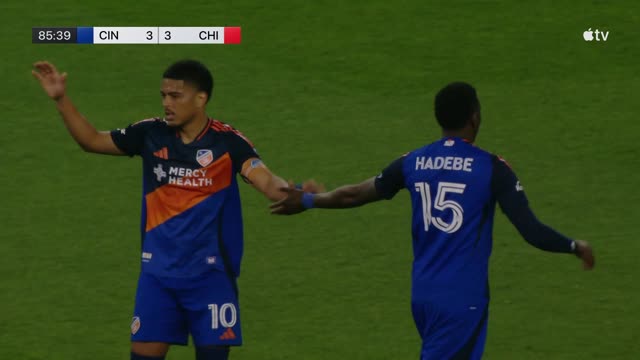
Chaos at TQL Stadium: Late Own Goal Rescues Point for Cincinnati in 3-3 Thriller
In what will undoubtedly be remembered as one of the most volatile matches of the 2026 MLS season, FC Cincinnati and the Chicago Fire traded blows in a six-goal epic that ended in a dramatic 3-3 draw. The narrative arc of the match peaked in the 86th minute when a lofted free kick from Cincinnati’s star playmaker, Evander, caused mayhem in the six-yard box. In the frantic scramble to clear the danger, Chicago defender Dje D’Avilla inadvertently redirected the ball into his own net, sparking wild celebrations among the 26,000 fans at TQL Stadium and leaving the Fire players crestfallen on the turf.
The match was a showcase of offensive brilliance and defensive fragility. For Chicago, the standout performer was once again Hugo Cuypers. The Belgian forward is currently in the form of his life, having scored in five consecutive matches. Cuypers opened the scoring in the 26th minute with a clinical half-volley and doubled his tally shortly after halftime, pouncing on a rebound to slot the ball into the lower left corner. His brace brought his season total to six goals, cementing his status as a frontrunner for the Golden Boot. Supporting him was Philip Zinckernagel, who converted a penalty in first-half stoppage time to ensure Chicago held a 2-1 lead at the break. Despite the late heartbreak, the Fire extended their unbeaten streak to four games and sit comfortably with a 4-2-2 record.
FC Cincinnati, now 2-4-2, displayed immense resilience to claw back from a two-goal deficit. The comeback was ignited by a familiar face to the Chicago faithful: Tom Barlow. The former Fire forward, who signed with Cincinnati in January after two seasons in the Windy City, haunted his old club by scoring the Orange and Blue’s first goal in the 42nd minute. It was Barlow’s first appearance and goal against his former side, and he celebrated with a mix of professional restraint and palpable relief. As the match entered the final ten minutes, Evander took center stage, clinical as ever from the penalty spot in the 79th minute before his cross forced the decisive own goal minutes later.
Historical Milestones and Tactical Shifts
Beyond the scoreline, the night marked a historic achievement for Chicago Fire goalkeeper Chris Brady. The Homegrown talent became only the 23rd player in club history to reach 100 regular-season appearances, and notably, he has started every single one of those matches. Despite conceding three goals, Brady kept Chicago in the game with eight vital saves, several of which came from point-blank range as Cincinnati searched for a winner in stoppage time.
Tactically, Cincinnati manager Pat Noonan leaned heavily on his bench to spark the second-half revival. Substitutes Gerardo Valenzuela and Ayoub Jabbari provided the fresh legs needed to press a tiring Chicago defense. Cincinnati finished the night with 13 shots on goal compared to Chicago's 9, reflecting an aggressive approach that eventually forced the errors they needed. For Chicago, the result feels like two points dropped, especially given their 3-1 lead at the 48-minute mark. Head coach Frank Klopas will likely look at the defensive organization during set pieces as the primary area for improvement before they return to Soldier Field to face Sporting KC next weekend.
Cincinnati's next test comes at home against the Philadelphia Union, where they will look to turn their resilience into three points. For now, the fans at TQL Stadium can reflect on a night where the result was uncertain until the final whistle, proving once again why this rivalry continues to produce some of the most compelling theater in the Eastern Conference.
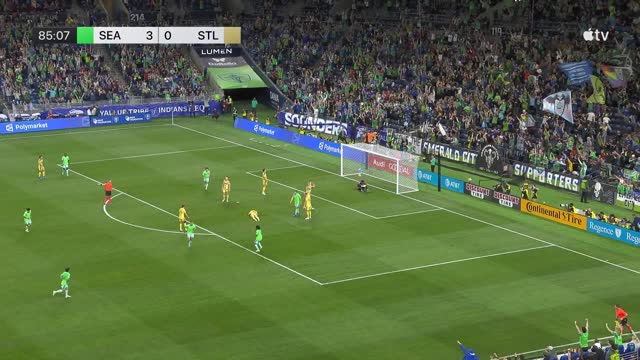
Roldan’s Brace Powers Seattle Over St. Louis as Sounders Stay Unbeaten
The Seattle Sounders continued their dominant start to the 2026 MLS campaign with a decisive 4-1 victory over St. Louis CITY SC at Lumen Field on Saturday night. The star of the show was undoubtedly Cristian Roldan, who reminded the league of his goal-scoring pedigree with a clinical first-half brace. Roldan opened the scoring in the 22nd minute with a powerful header and followed up in the 37th with a composed right-footed finish, marking his first multi-goal game since 2020. The victory extends Seattle's unbeaten streak to five games, moving them to fourth in the Western Conference with a 5-1-1 record.
Seattle’s offensive orchestration was led by Albert Rusnák, who was involved in nearly every scoring play. Rusnák provided the assists for both of Roldan's goals before getting on the scoresheet himself in the 49th minute, calmly converting a penalty after Paul Rothrock was fouled in the area. The Sounders' depth was further showcased late in the match when Osaze De Rosario, who subbed on in the 80th minute, scored his first goal of the season in the 86th minute to make it 4-0. The Sounders' ability to convert set pieces and high-pressure turnovers into goals proved too much for a St. Louis side that has struggled for consistency this season.
St. Louis Struggles Amidst Löwen’s Return
For St. Louis CITY SC, the match was a sobering reminder of their current form. Now 1-4-3 and winless in three straight, the Midwestern club struggled to create clear-cut chances against a disciplined Seattle backline anchored by Andrew Thomas. The only bright spot for the visitors came in the dying moments of the match. Eduard Löwen, making his first appearance of the 2026 season after a lengthy injury layoff, entered as an 89th-minute substitute and managed to pull one back in stoppage time. His half-volley off a deflection was a reminder of the quality he brings to the squad, but it served only as a consolation on a night dominated by the Rave Green.
The historical trend in this matchup continues to favor Seattle. Since St. Louis joined the league in 2023, the Sounders hold a staggering 7-1-0 record against them, including a perfect 4-0-0 record at Lumen Field. Brian Schmetzer’s side appears to have successfully navigated their early-season fixture congestion, which included a recent exit from the Concacaf Champions League. With the focus now solely on MLS play, the Sounders look like genuine Supporters' Shield contenders, particularly with Jesús Ferreira and Peter Kingston adding creative flair from the bench.
Looking ahead, the Sounders will stay home to host FC Dallas on April 25, a match that will test their defensive resolve against the league's current top scorer. St. Louis, meanwhile, returns to Energizer Park to face the San Jose Earthquakes. Head coach Bradley Carnell will be desperate to integrate Löwen back into the starting XI as they seek to climb out of the bottom half of the Western Conference table. For Seattle, the mission is clear: maintain this momentum and turn Lumen Field into an impenetrable fortress for the remainder of the spring.
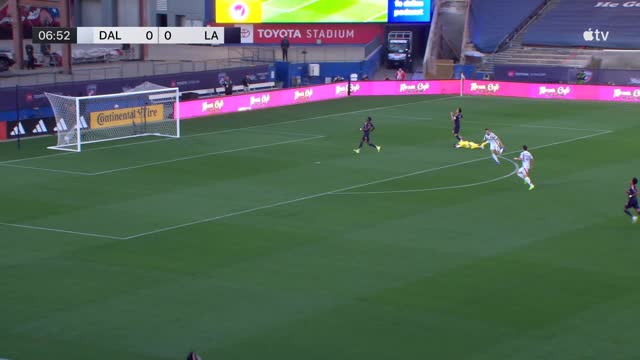
Musa Takes Golden Boot Lead as Galaxy Stun Dallas with Late Comeback
In a clash of two MLS original franchises, FC Dallas and the LA Galaxy played out a thrilling 2-2 draw at Toyota Stadium that saw the league's goal-scoring hierarchy reshuffled. The headline of the night was Dallas forward Petar Musa, who netted a spectacular first-half brace to take the lead in the 2026 Golden Boot race. Musa needed only seven minutes to open the scoring, capitalizing on a defensive lapse from Galaxy captain Maya Yoshida. He doubled the lead in the 38th minute, sliding to meet a cross from Chris Cappis. With nine goals on the season, Musa has officially surpassed superstars like Lionel Messi and Sam Surridge in the scoring charts.
However, the 2-0 cushion proved insufficient as the LA Galaxy displayed the grit that has defined their recent run. The comeback began in the 43rd minute when Lucas Sanabria fired a shot from the edge of the box that deflected past Dallas keeper Michael Collodi. The Galaxy then stunned the home crowd just before the halftime whistle. Joseph Paintsil, making his highly anticipated return from a six-week injury layoff, smashed home a pass from Gabriel Pec to level the match at 2-2. It was Paintsil’s first goal of the 2026 campaign, and his presence immediately transformed the Galaxy’s offensive transition play.
A Physical Battle in Frisco
The second half was a story of missed opportunities and defensive stands. FC Dallas thought they had reclaimed the lead in the 75th minute when Kaick hammered the ball home following a corner kick, but the goal was nullified by VAR for an offside deflection. Dallas finished the night with 13 shots to LA’s 9, but they were unable to beat Galaxy goalkeeper JT Marcinowski during a frantic final twenty minutes. The result leaves Dallas with a 3-1-4 record, extending their unbeaten streak to five matches, while the Galaxy move to 2-3-3.
For FC Dallas manager Nico Estévez, the draw feels like a missed opportunity to climb the Western Conference standings. Despite Musa’s clinical form, the defensive lapses at the end of the first half proved costly. The team will need to tighten up at the back before facing the high-flying Seattle Sounders next weekend. Conversely, Galaxy head coach Greg Vanney will be encouraged by the resilience shown by his squad. Earning a point on the road after trailing by two goals is a significant morale booster, especially with Paintsil back in the fold to complement the creative efforts of Marco Reus and Gabriel Pec.
The Galaxy’s scoring streak has now reached 17 consecutive matches, a league-best that underscores their consistent attacking threat. As the season progresses, the battle between Musa and the Galaxy’s multi-faceted attack will be one to watch. Dallas currently sits in a strong position, but they must find a way to close out games if they hope to challenge for the top seed. For now, Petar Musa can enjoy his status as the league's most lethal striker, but the Galaxy have proven that no lead is safe when their stars are aligned.
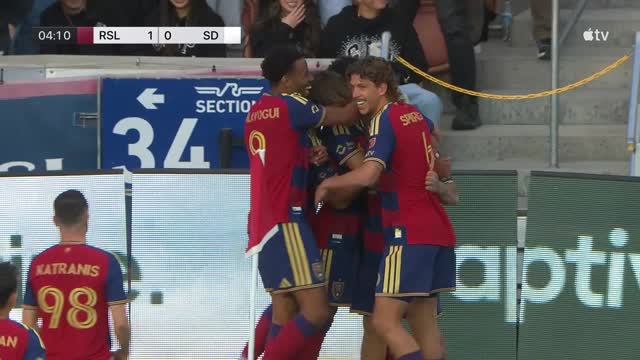
Desert Duel Ends in Deadlock: RSL and San Diego FC Trade Blows in High-Octane Clash
The rivalry between the mountains and the coast saw a new chapter written on Saturday as Real Salt Lake hosted expansion side San Diego FC in a match that lived up to its billing. Both teams entered the match with aggressive intent, resulting in a flurry of goals that kept the Snapdragon Stadium crowd on their feet. San Diego FC, in their second season of existence, showcased the talent that has made them a surprise package in 2026, led by the Danish connection of Marcus Ingvartsen and Anders Dreyer. Both players found the back of the net, continuing their impressive integration into the MLS landscape.
Real Salt Lake, however, refused to be intimidated by the newcomers. The Utah side leaned on their young star Diego Luna, who wasted no time in making his impact felt. Alongside him, Sergi Solans emerged as a clinical threat, breaking through the San Diego defense to ensure the points remained shared. The match was characterized by rapid transitions and high-pressing tactics from both managers. RSL's Morgan Guilavogui also played a pivotal role, scoring just before the half-time whistle to maintain the pressure on the San Diego backline.
San Diego's Rising Ambitions
Under head coach Mikey Varas, San Diego FC has quickly established a distinct identity. The roster, which includes experienced internationals like Hirving "Chucky" Lozano and young talents like Luca Bombino, has shown a level of chemistry rarely seen in such new franchises. Marcus Ingvartsen, in particular, has become the focal point of the attack, utilizing his physicality and spatial awareness to unsettle veteran defenders. The draw against RSL, a historically tough place to play, serves as another statement of intent for the Southern California club as they aim for a playoff spot in only their second year.
Real Salt Lake will look back at the match with a mixture of pride and frustration. While their offensive output remains high, defensive lapses allowed San Diego to stay in the contest. Christopher McVey and Andreas Reyes had their hands full containing the speed of San Diego’s wingers. However, the performance of Luna continues to be a beacon of hope for RSL fans. His ability to dictate the tempo and find pockets of space between the lines makes him one of the most dangerous playmakers in the Western Conference. With the season now well underway, RSL remains a formidable opponent for anyone visiting the desert.
As the 2026 season continues, this "Desert vs. Coast" matchup is shaping up to be a fixture that MLS fans circle on their calendars. The contrast in styles—RSL’s established mountain grit versus San Diego’s flashy, high-press coastal flair—provided a tactical masterclass for observers. Both teams left the field with a point, but the real winners were the fans who witnessed a high-intensity encounter that proves the gap between the league's established powers and its newest members is closing faster than ever.
Defensive Masterclass or Missed Opportunities? Union and D.C. United Share Spoils in I-95 Derby
The latest installment of the I-95 Derby between the Philadelphia Union and D.C. United at Subaru Park proved to be a tactical chess match that ended in a 0-0 stalemate. Despite the lack of goals, the match was far from dull, as both sides displayed elite defensive organization and goalkeeping excellence. The headline story was Philadelphia’s legendary shot-stopper Andre Blake, who earned his 90th career MLS clean sheet. It was his first shutout of the 2026 season, and it came at a crucial time for a Union side looking to build momentum in a crowded Eastern Conference.
The Union dominated the statistical categories, outshooting D.C. United 17 to 6 and controlling 50% of the possession. Milan Iloski and Ezekiel Alladoh were relentless in their pursuit of an opener, but they found an impenetrable wall in D.C. United goalkeeper Sean Johnson. Johnson, a veteran of the league, matched Blake’s intensity with several highlight-reel saves, ensuring that the visitors left Chester with a valuable point. The draw extends Philadelphia’s impressive home unbeaten streak against D.C. United to 13 consecutive matches, a run that dates back to 2015.
Physicality and Tactical Discipline
The derby was marked by its physicality, with referee Lorenzo Hernandez reaching for his yellow card on several occasions. D.C. United’s Tai Baribo, João Peglow, and Nikola Markovic were all cautioned as they sought to disrupt the Union’s rhythm. Philadelphia’s head coach Jim Curtin utilized his bench in the second half, bringing on the highly-touted Cavan Sullivan in the 64th minute to inject fresh creativity. While Sullivan showed flashes of his potential, the D.C. United backline, led by Lucas Bartlett and Kye Rowles, remained disciplined and refused to yield a single clear-cut chance in the final stages of the game.
For D.C. United, the result is a testament to their defensive improvement under the current regime. While they lacked the offensive spark to truly test Blake, their ability to weather the storm at Subaru Park is a positive sign for the road ahead. Matti Peltola was instrumental in the midfield, breaking up plays and providing a shield for the defense. On the other side, the Union will feel that this was a case of two points dropped. Dominating the shot count and corner kicks (6 to 4) without a goal to show for it will be a source of frustration for Curtin as they prepare for a midweek trip to Toronto FC.
As the Union travel north to BMO Field on Wednesday, the focus will be on finding more clinical finishing to match their defensive solidity. D.C. United will take the confidence from this clean sheet back home, where they hope to turn draws into wins. The I-95 Derby may not have delivered the goals the fans craved, but it delivered a showcase of why both teams are considered difficult to beat. In a league where every point matters, this defensive duel might just prove to be a foundational result for both clubs as the 2026 season heats up.
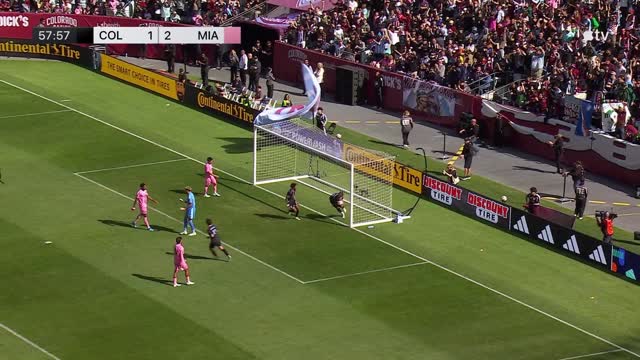
Messi Magic and Berterame's Breakthrough: Inter Miami Edge Colorado in Thriller
Messi Magic and Berterame's Breakthrough: Inter Miami Edge Colorado in Thriller
Lionel Messi continues to defy Father Time, leading Inter Miami CF to a pulse-pounding 3-2 victory over the Colorado Rapids on Saturday night at the newly inaugurated Nu Stadium. In a match that featured momentum swings and high-level technical quality, the Argentinian icon reminded the capacity crowd why he remains the league’s premier attraction, netting twice to keep the Herons near the top of the Eastern Conference standings. However, it was the integration of newly acquired striker German Berterame that truly signaled a new chapter for the Miami offense, as his clinical finish proved to be the difference in a contest that hung in the balance until the final whistle.
The match began with Inter Miami asserting dominance through possession, but the Colorado Rapids proved to be a disciplined and dangerous opponent on the counter-attack. The Rapids struck first in the 32nd minute when Rafael Navarro found a pocket of space at the edge of the area and buried a precise shot past the outstretched arms of Miami’s goalkeeper. The goal momentarily silenced the home crowd, but it only served to wake the sleeping giant. Within ten minutes, Miami earned a penalty after a clumsy challenge in the box, and Messi stepped up to coolly slot the ball into the bottom corner, leveling the score and igniting the stadium.
Berterame and the "Nu" Era in Miami
As the first half drew to a close, German Berterame made his presence felt with a moment of pure predatory instinct. Racing onto a through ball that beat the Rapids' high line, the forward beat the whistle with a composed finish that gave Miami the lead heading into the locker room. This goal was particularly significant given the recent coaching upheaval in Miami; following the resignation of Javier Mascherano earlier this week, interim manager Guillermo Hoyos has looked to simplify the attacking patterns, and Berterame appears to be the primary beneficiary of this shift.
The second half was a showcase of resilience for both sides. Colorado refused to go away quietly, finding an equalizer through Darren Yapi in the 64th minute. Yapi's clinical strike followed a period of sustained pressure from the Rapids, who exploited gaps in a Miami midfield that occasionally looked leggy. However, the inevitable Lionel Messi once again took center stage. In the 75th minute, after a mesmerizing dribble that drew four defenders, Messi unleashed a signature curling effort from distance that found the top corner, securing his brace and the three points for the home side.
Inter Miami Roster and Standing
With this result, Inter Miami improves their 2026 record, as Messi moves to 7 goals in 10 appearances for the campaign. The roster, which now features a potent mix of veteran leadership in Luis Suarez and Sergio Busquets alongside younger talents like Mateo Silvetti and Tadeo Allende, looks more balanced than in previous seasons. The defense, led by veteran Nicolas Freire and recent addition Sergio Reguilon, still has questions to answer, but their ability to outscore opponents remains unmatched in MLS.
The Colorado Rapids, despite the loss, can take heart from a performance that pushed the defending Supporters' Shield winners to the brink. Rafael Navarro and Darren Yapi have formed a formidable partnership upfront, and under manager Chris Armas, the Rapids have become one of the most difficult teams to break down in the Western Conference. As the league heads into the busy summer months, both teams appear poised for deep playoff runs, though Miami remains the team to beat as long as Messi continues his incredible form.
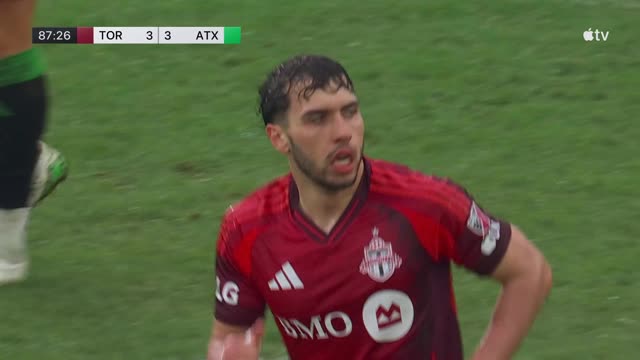
Right at the Death! Franklin’s First Career Goal Rescues Point for Toronto FC
Right at the Death! Franklin’s First Career Goal Rescues Point for Toronto FC
In one of the most chaotic finishes of the 2026 MLS season, young defender Kobe Franklin emerged as the unlikely hero for Toronto FC, scoring an 88th-minute equalizer to secure a -3 draw against Austin FC. The match at BMO Field was a rollercoaster of emotions, featuring lead changes, defensive blunders, and moments of individual brilliance that left the 30,000 fans in attendance breathless. Franklin’s clinical redirection of a ricochet off the post not only marked his first career professional goal but also preserved Toronto’s impressive six-game unbeaten streak, a run that has seen the club climb back into the playoff conversation after a rocky start to the year.
The drama began early when Austin’s Jon Bell opened the scoring in the 29th minute with a nifty spin move in traffic, silencing the home supporters. Toronto struggled to find rhythm in the first half but came alive after the interval. Daniel Salloi, who has been a revelation since joining TFC from Sporting Kansas City this offseason, leveled the score in the 52nd minute with a deflected strike. It was Salloi's third goal of the campaign, continuing his hot start in the red jersey. When veteran Richie Laryea scored an unassisted stunner in the 67th minute to give Toronto a 2-1 lead, it appeared the home side would cruise to victory.
Austin's Late Surge and Torres' Impact
However, Austin FC had other plans. Led by their record signing Facundo Torres, the visitors mounted a furious comeback. Torres scored a clinical equalizer in the 78th minute, his first for the club since his high-profile transfer from Palmeiras. Just four minutes later, veteran Christian Ramirez struck a dagger into the hearts of the Toronto faithful, pouncing on a loose ball to give Austin a 3-2 lead in the 82nd minute. Austin’s attack, which also featured Myrto Uzuni and Brandon Vazquez, looked nearly unstoppable during this ten-minute stretch, exposing rare cracks in John Herdman’s defensive organization.
With time running out and Austin looking to close out their first road win of the season, Toronto threw everyone forward. The pressure finally told in the 88th minute when a cross into the box was partially cleared, only for the ball to strike the post and fall perfectly for Franklin. The 22-year-old made no mistake, smashing the ball home to level the score at 3-3 and send the stadium into a frenzy. It was a fitting end to a match where both teams refused to back down, showcasing the parity and excitement of the current MLS landscape.
Season Outlook and Team Stats
Following the draw, Toronto FC moves to a 3-2-3 record, maintaining a solid position in the Eastern Conference. The club has transformed its identity this season, moving away from the aging superstars of the past toward a more balanced roster featuring Salloi, Djordje Mihailovic, and Josh Sargent. Defensively, the emergence of Franklin alongside veterans like Walker Zimmerman has provided a stability that was sorely lacking last year. Toronto’s unbeaten run of 12 games at home dating back to last season remains intact, making BMO Field one of the most feared venues in the league.
Austin FC, meanwhile, sits at 1-3-4. While the results haven’t always gone their way, manager Nico Estevez has clearly unlocked an offensive powerhouse. The trio of Torres, Ramirez, and Uzuni combined for nearly 20 shots on goal Saturday, and as their chemistry grows, Austin will be a team nobody wants to face in the Western Conference. For now, they head back to Texas wondering how they let two points slip away at the death, while Toronto celebrates a young star's breakthrough moment.
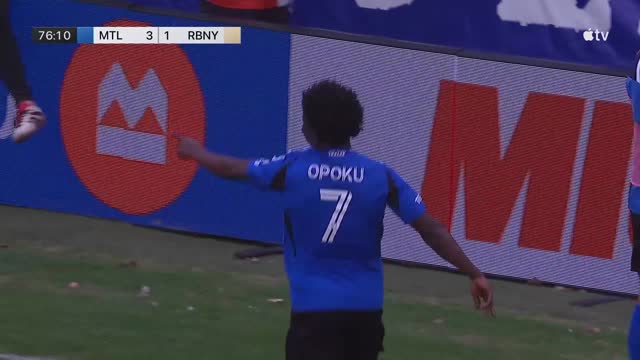
Eullaffroy Era Begins with a Bang: Montreal Thumps Red Bulls 4-1
Eullaffroy Era Begins with a Bang: Montreal Thumps Red Bulls 4-1
CF Montreal delivered a masterclass in clinical finishing on Saturday afternoon, securing a dominant 4-1 victory over the New York Red Bulls at Stade Saputo. The win was a perfect debut for interim head coach Philippe Eullaffroy, who took the reins just days ago following the dismissal of Marco Donadel. Montreal looked like a team reborn, playing with a level of freedom and aggressive pressure that overwhelmed the Red Bulls from the opening whistle. Mahala Opoku provided the final exclamation point with a late dagger in the 77th minute, restoring the three-goal lead and ensuring that the Montreal faithful went home celebrating a massive turn in the club's fortunes.
The home side wasted no time establishing their intent. Just five minutes into the match, Victor Loturi found himself with space at the edge of the penalty area and unleashed a thunderous shot that beat the New York keeper. The early goal set the tone for a match where Montreal's high press constantly forced turnovers in dangerous areas. Prince Owusu, who was the undisputed man of the match with a goal and three assists, doubled the lead from the penalty spot in the 39th minute after a foul on Dylan Nealis. The Red Bulls, traditionally known for their own high-pressing style, appeared uncharacteristically disjointed and struggled to maintain possession against Montreal’s revamped midfield.
Matty Longstaff’s Rollercoaster Afternoon
The second half began much like the first, with Montreal striking early. Matty Longstaff extended the lead to 3-0 in the 49th minute, finishing a well-worked counter-attack spearheaded by Owusu. However, the British midfielder experienced the highs and lows of the sport just minutes later when a freak deflection off his shin resulted in an own goal, giving the Red Bulls a glimmer of hope at 3-1. Despite the setback, Montreal remained resolute. New York pushed forward in search of a second goal, but they were repeatedly frustrated by a disciplined defensive block and the sure hands of their goalkeeper.
The match was put out of reach in the 77th minute when Opoku capitalized on another counter-attack. The goal was Opoku’s first of the campaign and served as a reminder of the depth available to Eullaffroy as he looks to stabilize the season. The victory not only snapped a frustrating four-game losing streak for Montreal but also completed a season sweep of the Red Bulls, a feat that will provide a significant psychological boost for the squad as they prepare for a difficult stretch of upcoming fixtures.
Roster Deep Dive and Standings
Montreal now moves to a 2-6-0 record, and while they remain in the lower half of the Eastern Conference, the nature of this victory suggests they are capable of much more. Prince Owusu has been the standout performer this year, with five goals and three assists, building on his career-high numbers from last season. The midfield pairing of Victor Loturi and Matty Longstaff showed great promise under the new tactical setup, balancing defensive duties with the ability to join the attack. The roster also features Frankie Amaya and Josef Martinez, providing Eullaffroy with plenty of options to navigate the midseason grind.
The New York Red Bulls fall to 3-3-2 and will need to address their defensive lapses quickly. Despite holding 64% of the ball possession, they were unable to create meaningful chances, managing only one shot on goal throughout the entire contest. Manager Sandro Schwarz will be looking for a response when the team returns home to face D.C. United. For Montreal, the "interim" tag on Eullaffroy’s title might not last long if he can continue to extract this level of performance from a squad that finally looks like it's playing to its full potential.

Report: Could Brazil Icon Casemiro Be the Next Global Superstar to Join Inter Miami?
Report: Could Brazil Icon Casemiro Be the Next Global Superstar to Join Inter Miami?
Rumors are swirling around the MLS landscape this weekend as reports suggest that Inter Miami CF is in pole position to sign Brazilian midfield legend Casemiro. With the 2026 World Cup on the horizon, the Herons are reportedly looking to bolster their roster with another world-class veteran to join the likes of Lionel Messi and Luis Suarez. The speculation intensified following German Berterame’s clinical performance against the Colorado Rapids on Saturday, where his goal just before the halftime whistle demonstrated that Miami’s attacking recruitment is already paying dividends. Sources say that Casemiro’s representatives have already held preliminary talks with Miami’s front office, potentially setting the stage for a blockbuster summer transfer that would further solidify Miami’s status as a global soccer destination.
The potential move for Casemiro comes at a time of significant transition for the club. Earlier this week, the soccer world was stunned by the resignation of Javier Mascherano as head coach. Despite being the most successful coach in the club’s brief history, Mascherano cited a desire for a new challenge, leaving the door open for Guillermo Hoyos to take over the reins. Hoyos has already emphasized a need for more defensive stability and veteran leadership in the heart of the pitch—qualities that Casemiro possesses in abundance. If a deal is reached, the Brazilian would likely occupy a Designated Player slot, reuniting with several of his former European rivals in a "dream team" scenario in South Florida.
The Impact of the "Messi Effect" on Recruitment
The "Messi Effect" continues to be the primary driver behind Miami’s ambitious recruitment strategy. Since the Argentinian's arrival, the club has transformed from an MLS basement-dweller into a championship contender and a commercial juggernaut. The addition of players like Berterame, who has hit the ground running with 6 goals this season, shows that the club is not just looking for big names, but for players who can contribute at a high level on the pitch. Berterame’s ability to beat the whistle and find the net in high-pressure moments has already made him a fan favorite at the new Nu Stadium, and the prospect of Casemiro anchoring the midfield behind him is a frightening thought for the rest of the league.
However, any deal for Casemiro would likely face competition from other global leagues and even other MLS clubs. Rumors have also linked the 34-year-old to FC Cincinnati, as the league prepares for a post-World Cup surge in interest. Miami’s advantage lies in its existing constellation of stars and the lifestyle of South Florida, which has proven irresistible to many of the world's top players. The front office, led by David Beckham and the Mas brothers, has shown time and again that they are willing to spend whatever it takes to ensure the club remains the gold standard for North American soccer.
Roster Flexibility and New Rules
The timing of these rumors is bolstered by the recent announcement that MLS has extended its 2026 transfer windows and updated its roster rules. The new regulations allow for more cash-for-player trades and greater flexibility in acquiring Designated Players mid-season. This gives Inter Miami the tactical room they need to navigate the salary cap while still bringing in high-priced talent like Casemiro. Currently, Miami’s roster is a blend of experience and youth, with players like Mateo Silvetti and Benjamin Cremaschi learning alongside legends. The addition of a five-time Champions League winner would provide an invaluable education for the next generation of American talent.
As of Sun Apr 19 2026, Inter Miami remains the most talked-about team in the world. Whether the Casemiro rumors materialize into a signed contract remains to be seen, but the intent is clear: Miami is not resting on its laurels. With the 2026 season already off to a flying start and the club playing in a state-of-the-art new home, the sky is the limit for the Herons. For now, fans will have to wait and see if the Brazilian icon will be the next to pull on the pink jersey and join the revolution in Miami.
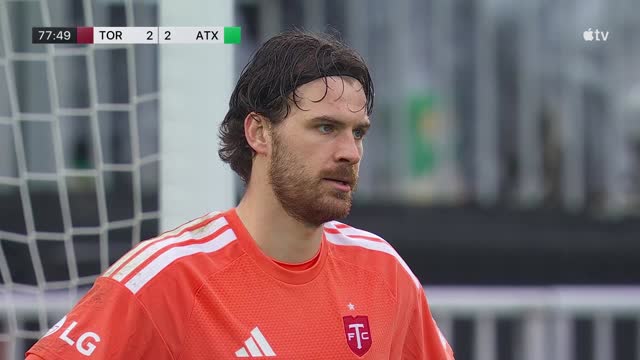
Torres Returns with a Bang: Is Austin’s $9.5 Million Investment Already Paying Off?
Torres Returns with a Bang: Is Austin’s $9.5 Million Investment Already Paying Off?
Facundo Torres officially announced his return to Major League Soccer on Saturday night, delivering a performance that reminded the league why he was one of the most sought-after talents in the Americas. In Austin FC’s 3-3 draw against Toronto FC, the Uruguayan international claimed the 78th minute as his own, netting a clinical equalizer that momentarily gave his side the momentum in a hostile environment. It was Torres' first goal in his first season with Austin since his record-breaking $9.5 million transfer from Brazilian giants Palmeiras, and it served as a powerful validation for Sporting Director Rodolfo Borrell’s ambitious offseason recruitment strategy.
The goal itself was a masterpiece of movement and precision. After receiving a pass from Robert Taylor, Torres used a deceptive first touch to bypass his marker before curling a low shot into the far corner of the net. The 25-year-old winger, who previously starred for Orlando City before moving to Brazil, looked sharp and integrated throughout the contest, linking up effortlessly with strike partners Christian Ramirez and Myrto Uzuni. For Austin fans, seeing their new number 11 celebrate in front of the traveling support was the highlight of an otherwise frustrating draw, signaling that the "Verde" attack may finally have the elite focal point it has craved since the club’s inception.
The Tactical Evolution of Austin FC
Under manager Nico Estevez, Austin FC has transitioned toward a more dynamic, vertically-oriented attacking system. The addition of Torres provides a dual threat; he is just as capable of creating chances as he is of finishing them. This was evident in the build-up to Austin’s second-half goals, where Torres’ ability to draw multiple defenders opened up space for Christian Ramirez to find the net just four minutes after the Uruguayan’s equalizer. While Austin’s defensive record remains a concern—they sit at 1-3-4 on the season—the offensive output since Torres entered the lineup has seen a marked improvement, with the team averaging over two goals per game.
The transfer of Torres was the third-largest in Austin FC's history, and the expectations are understandably sky-high. His previous stint in MLS saw him record 47 goals and 25 assists for Orlando City, and early indications suggest he is on track to match or exceed those numbers in Texas. Torres' decision to return to MLS at the prime of his career is also a testament to the league’s growing reputation; having played in the Copa Libertadores final and represented Uruguay in World Cup qualifiers, he chose Austin as the place to take his next step. For a club that finished 13th in the Western Conference last season, his arrival represents a clear statement of intent.
Roster Depth and Future Outlook
The current Austin FC roster is one of the most intriguing in the West. Beyond the star power of Torres and Uzuni, the squad features seasoned MLS veterans like Jon Bell—who opened the scoring on Saturday—and Brendan Hines-Ike. The midfield is anchored by Dani Pereira and the versatile Robert Taylor, providing a solid foundation for the creative players to flourish. However, to climb the standings, the team will need more consistency from their backline and better game management late in matches, as evidenced by their failure to hold onto the lead against Toronto in the final minutes.
Looking ahead, the integration of Torres will remain the central narrative of Austin’s season. As his chemistry with Brandon Vazquez and the rest of the attacking corps continues to develop, Austin will become a nightmare for opposing defensive coordinators. The team’s next challenge will be to secure a string of wins at Q2 Stadium to move into the playoff spots. If Facundo Torres continues to perform at the level he showed on Saturday, those wins won't be far away. For now, Austin has a new hero, and the rest of MLS has a very familiar problem to solve.
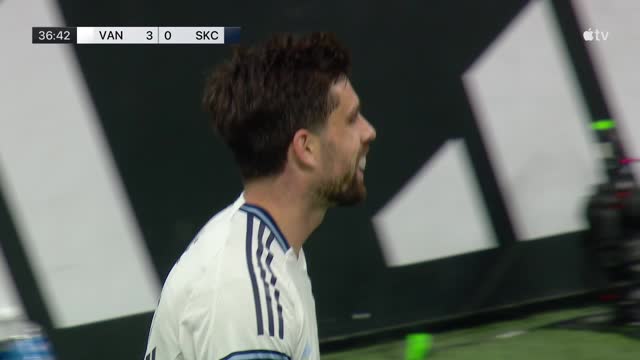
Vancouver Whitecaps Assert Dominance with Comprehensive 3-0 Victory Over Sporting KC
Vancouver Whitecaps Assert Dominance with Comprehensive 3-0 Victory Over Sporting KC
The Vancouver Whitecaps continued their historic start to the 2026 MLS campaign on Friday night, delivering a clinical 3-0 performance against a struggling Sporting Kansas City side at BC Place. Led by head coach Jesper Sorensen, the "Caps" looked every bit the Supporters' Shield leaders, overwhelming their opponents in a first-half blitz that saw three different scorers find the back of the net. The victory moves Vancouver to a 7-1-0 record, securing their spot at the summit of the Western Conference and reinforcing their status as the league's most dangerous attacking unit.
The breakthrough came early in the 13th minute when Emmanuel Sabbi capitalized on a chaotic sequence inside the Sporting KC penalty area. Following a desperate scramble where Brian White was upended, Sabbi reacted quickest to hammer the ball home via the underside of the crossbar. The momentum only grew from there, with 21-year-old Ecuadorian winger Bruno Caicedo doubling the lead in the 23rd minute. Caicedo, making his first professional start for the club, showed immense composure to cut inside and fire a low shot off the post and in. The rout was capped off just five minutes later when German legend Thomas Müller rose highest to head home a pinpoint cross from Sabbi, effectively ending the contest before the half-hour mark.
A Tale of Two Seasons: Vancouver’s Rise vs. KC’s Crisis
Vancouver’s performance was a statistical masterclass, outshooting the visitors 25-3 and maintaining control of the tempo throughout the evening. Goalkeeper Yohei Takaoka was rarely tested but remained alert to secure his fifth clean sheet of the young season. The Whitecaps have now netted 22 goals in just eight matches, a feat only matched once before in MLS history by the 1998 Los Angeles Galaxy. This prolific form is a testament to the squad depth built by Sporting Director Axel Schuster, who has successfully blended high-profile Designated Players like Müller with rising stars from the U22 Initiative.
Conversely, the defeat leaves Sporting Kansas City in a state of crisis. Under coach Raphael Wicky, the team has now lost four consecutive MLS matches and currently sits at the bottom of the Western Conference with a 1-6-1 record. Having been eliminated from the U.S. Open Cup by a USL Championship side just days prior, the pressure on Wicky is reaching a boiling point. Despite making five changes to the lineup—including handing a debut to Homegrown midfielder Cielo Tschantret—Sporting struggled to register a single shot in the first half and lacked the creative spark necessary to trouble a disciplined Vancouver defense.
Looking Ahead: Can Anyone Stop the Caps?
With a five-game homestand wrapping up next week against the Colorado Rapids, Vancouver appears poised to extend their lead at the top. The "Caps" are still fueled by the bitterness of their 2025 MLS Cup final loss to Inter Miami, and this season feels like a redemption tour. "We are on our way up," Müller remarked recently, and Friday's display suggested they might be nearing the peak. For Sporting KC, a trip to Chicago next weekend offers a chance to reset, but with a league-worst minus-13 goal differential, the path to recovery looks increasingly steep.
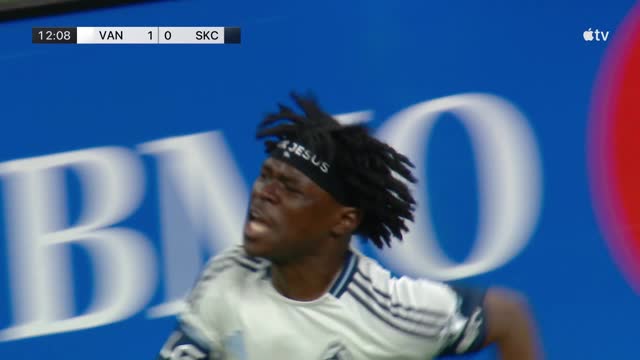
Sabbi’s Spark: How Emmanuel Sabbi is Transforming the Whitecaps’ Front Line
Sabbi’s Spark: How Emmanuel Sabbi is Transforming the Whitecaps’ Front Line
In the high-octane offense of the 2026 Vancouver Whitecaps, few players have been as consistently impactful as Emmanuel Sabbi. The American forward was the undisputed star of Friday’s 3-0 victory over Sporting Kansas City, opening the scoring with a thunderous strike in the 13th minute before turning provider for Thomas Müller’s third. Sabbi’s ability to combine raw physical power with technical finesse has made him an indispensable piece of Jesper Sorensen’s tactical puzzle, providing the width and directness that keeps opposing fullbacks in a state of constant retreat.
Sabbi’s goal on Friday was a showcase of his predatory instincts. Amidst a frantic goal-mouth scramble at BC Place, the 27-year-old was the first to react to a loose ball, showing zero hesitation as he rifled a right-footed shot into the roof of the net. It was his second goal of the season, but his contribution goes far beyond the scoresheet. His tireless work rate off the ball and his chemistry with fellow attackers Brian White and Ryan Gauld have turned Vancouver into a transition nightmare for the rest of Major League Soccer.
From Ligue 1 to MLS Standout
Since arriving from French side Le Havre AC in February 2025, Sabbi has steadily evolved into one of the league’s most reliable wingers. His move to Vancouver was seen as a major coup for Sporting Director Axel Schuster, who sought to fill the void left by the offseason departures of Fafà Picault and Stuart Armstrong. Sabbi brought with him the experience of over 200 professional appearances in Europe, and that pedigree is visible in every match. His contract, which runs through 2027, reflects the club's long-term belief that he is the perfect stylistic match for their high-pressing system.
On Friday, Sabbi’s playmaking ability was on full display in the 28th minute. After winning a duel near the corner flag, he delivered a perfectly weighted cross to the back post, finding the forehead of Thomas Müller for Vancouver's third goal. This dual-threat capability—being able to both finish and create—is what makes Sabbi so dangerous. He finished the match with a team-high for successful dribbles and key passes, reinforcing the notion that he is currently playing the best soccer of his career.
A Crucial Component for the World Cup Year
As the 2026 FIFA World Cup approaches, Sabbi’s form will undoubtedly be caught in the gaze of the USMNT coaching staff. With his unique blend of speed and European-honed discipline, he offers a different look for the national team’s attacking corps. For now, however, his focus remains firmly on Vancouver’s quest for silverware. Following the heartbreak of last season’s MLS Cup final, Sabbi has been vocal about the team's collective desire to go one step further. If he continues to provide the "spark" that ignited Friday’s win, the Whitecaps may find themselves hoisting the trophy in their own backyard come December.
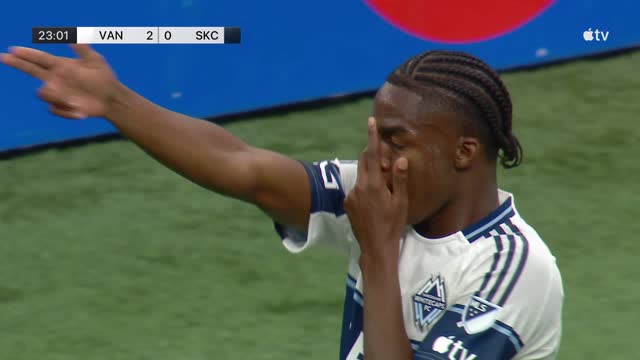
Ecuadorian Phenom Bruno Caicedo Nets First MLS Goal in Dream Start
Ecuadorian Phenom Bruno Caicedo Nets First MLS Goal in Dream Start
The future of the Vancouver Whitecaps attack was on full display Friday night as 21-year-old Bruno Caicedo announced his arrival to Major League Soccer in spectacular fashion. Making his first career start for the club in their 3-0 win over Sporting Kansas City, the Ecuadorian winger needed only 23 minutes to find the back of the net. After picking up a loose ball at the edge of the penalty area, Caicedo showcased the dribbling ability that made him a priority target for Vancouver this offseason, weaving between two defenders before unleashing a low, curling shot that kissed the far post on its way in.
For Caicedo, the goal was the culmination of a whirlwind two months since his $1.5 million transfer from Ecuadorian giants Barcelona SC. Speaking through an interpreter after the match, the young forward expressed a mixture of relief and exhilaration. "It was something I was craving," Caicedo said. "I really wanted to help the team and show the fans what I can do. To hear them chanting my name at BC Place was an unforgettable moment." His integration into the side has been a key focus for head coach Jesper Sorensen, who has slowly introduced the winger into the rotation before handing him the starting nod on Friday.
Recruiting the Next Generation: The U22 Initiative
Caicedo’s signing in January 2026 was a strategic masterstroke by the Whitecaps front office. Occupying a U22 Initiative roster spot, Caicedo represents the club's commitment to developing young, high-upside talent from South America. Sporting Director Axel Schuster noted that Caicedo had been on the club's radar for nearly a year, praised for his "raw talent and ability to pose a threat in transition." With the departures of key Canadian internationals like Ali Ahmed and Jayden Nelson in the winter, the pressure was on for a new creative force to step up, and Caicedo appears more than ready for the challenge.
The Ecuadorian youth international brings a different dimension to the Whitecaps' frontline. While Thomas Müller provides veteran savvy and Brian White offers a physical presence in the box, Caicedo is the "X-factor" who can break down defenses with one-on-one brilliance. His performance against Sporting KC was statistically impressive, with a 90% pass completion rate and three successful take-ons, suggesting that his first MLS goal is merely the beginning of a prolific tenure in Vancouver.
Growing Pains and Golden Potential
Despite the early success, the road ahead for Caicedo involves adjusting to the physicality and travel demands of MLS. However, his early milestones—including earning his first start and goal within the first eight matches of the season—bode well for his development. As Vancouver sits atop the Supporters' Shield standings, the luxury of having a talent like Caicedo as a developing third or fourth option in attack is a terrifying prospect for the rest of the league. If Friday night was any indication, the Ecuadorian starlet is well on his way to becoming a fan favorite and a cornerstone of the Whitecaps' trophy ambitions.

The Müller Effect: German Icon Thomas Müller Leads Whitecaps to Record Start
The Müller Effect: German Icon Thomas Müller Leads Whitecaps to Record Start
The arrival of Thomas Müller to Vancouver was initially met with a mix of awe and skepticism, but eight games into the 2026 season, any doubts about the German legend’s impact have been thoroughly erased. On Friday night, Müller once again proved he is the engine behind the Whitecaps' historic run, scoring a trademark header in the 28th minute of their 3-0 rout of Sporting Kansas City. The goal was his fourth of the season, and it highlighted the clinical movement that has defined his illustrious career at Bayern Munich and with the German national team.
Müller’s header was the result of a perfectly timed run to the far post, meeting an Emmanuel Sabbi cross with the kind of precision that made John Pulskamp’s dive futile. Beyond the goal, Müller’s influence was felt in every phase of the game. He led the team in total duels won and chances created, acting as an on-field coach for a relatively young Vancouver squad. His decision to return for the 2026 season—after the club exercised his contract option in December—has proven to be the most significant move of the offseason, ensuring the "Caps" maintained the leadership required to lead the Western Conference.
A Leader for a City and a Franchise
Since joining in August 2025, Müller has tallied an impressive 13 goals and 5 assists in just 25 total appearances. His transition to Major League Soccer has been seamless, largely due to his relentless professionalism and infectious charisma. Following the heartbreaking loss to Inter Miami in the 2025 MLS Cup final, Müller was the first to rally the locker room, promising that the team would return stronger. That promise is currently being kept, as Vancouver boasts a league-leading 21 points and a goal differential that has the rest of the league scrambling for answers.
Off the field, Müller has become a vocal advocate for the club and its place in the Vancouver sports landscape. After Friday's match, he issued a challenge to the fans, expressing his wish for a packed BC Place in every game. "I want the lower bowl to be full every night," Müller stated. "We are delivering week in and week out, and we want the city to feel that energy with us." His connection with the supporters has grown rapidly, as he frequently stays late after matches to sign autographs and engage with the "Southside" faithful.
The Final Piece of the Championship Puzzle?
As the Whitecaps continue their quest for their first-ever MLS Cup, Müller’s presence provides a psychological edge. He has won every trophy imaginable at the highest level of European soccer, and that winner's mentality has permeated the Vancouver locker room. Head coach Jesper Sorensen has praised Müller's "unselfishness," noting that the veteran is just as happy creating space for Brian White or Bruno Caicedo as he is scoring himself. With the German icon at the helm, the 2026 season feels less like a typical campaign and more like a definitive march toward glory.
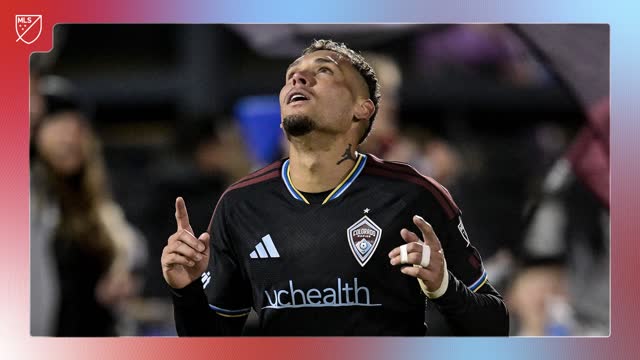
Inter Miami in Turmoil: Mascherano Resigns Before Messi's Massive Mile High Test
Inter Miami in Turmoil: Mascherano Resigns Before Messi's Massive Mile High Test
Lionel Messi and Inter Miami are heading into the thin air of the Rocky Mountains for one of the most anticipated regular-season matches in league history, but they do so under a cloud of massive organizational uncertainty. This Saturday, the Herons will face the Colorado Rapids at Empower Field at Mile High, where a record-shattering crowd of over 70,000 fans is expected to witness the Argentine legend’s first-ever appearance in Denver. However, the primary focus in the Miami camp has shifted from the pitch to the dugout following the stunning departure of head coach Javier Mascherano.
On Tuesday, just days before the critical Matchday 8 encounter, Javier Mascherano officially resigned from his post, citing "personal reasons." The news sent shockwaves through the league, especially given that Mascherano had only recently led the club to its first MLS Cup title in late 2025. During his tenure, Mascherano posted a robust 27-9-11 record, but recent form in the 2026 campaign has been inconsistent. Miami currently sits third in the Eastern Conference with a 3-1-3 record, having been knocked out of the Concacaf Champions Cup by Nashville SC earlier this spring. In his place, the club has turned to Guillermo Hoyos, a familiar face to Messi, as the interim manager tasked with navigating the difficult Denver road trip.
The coaching transition couldn't come at a more challenging time. The Colorado Rapids have been one of the most explosive offensive units in the Western Conference this year, tied for the league lead with 19 goals scored. Under head coach Matt Wells, the Rapids have turned their home matches into goal festivals, including a 6-2 demolition of Houston Dynamo FC just last weekend. Led by the dynamic duo of Rafa Navarro (5 goals, 4 assists) and Paxten Aaronson, the Rapids represent a formidable threat to a Miami defense that has looked vulnerable in back-to-back 2-2 draws.
Tactically, the battle will center on how Messi and Luis Suarez adapt to the high altitude of Denver. While Miami’s star-studded roster possesses unmatched quality, the physiological toll of playing at over 5,000 feet often levels the playing field for the home side. The Rapids thrive on a high-press system that looks to exploit tired legs late in matches, a strategy they are likely to lean into as they seek a statement win in front of their biggest home crowd ever. With Sergio Busquets anchoring the midfield, Miami will need to control the tempo to avoid a track meet that favors Colorado’s younger, lung-busting attackers like Darren Yapi.
As Matchday 8 looms, the narrative is split: Can the Rapids use the mountain air and home-field energy to topple the reigning champions? Or will Messi and his new manager find a way to silence the 70,000 in attendance and prove that the Mascherano exit was merely a speed bump on their road to back-to-back titles? All eyes will be on the Mile High City this Saturday.

Homegrown Hero: 17-Year-Old Jude Terry Claims Goal of the Matchday for LAFC
Homegrown Hero: 17-Year-Old Jude Terry Claims Goal of the Matchday for LAFC
The future of Los Angeles FC has arrived in spectacular fashion, as 17-year-old homegrown midfielder Jude Terry has been officially awarded the AT&T Goal of the Matchday for Matchday 7. The young starlet captured 41.3% of the fan vote, beating out established veterans for the honor. Terry’s winning strike, a sensational first-time curling effort from roughly 25 yards out, occurred during LAFC's recent visit to the Portland Timbers. Though the goal came in a losing effort, it marked a historic milestone for a player widely regarded as the crown jewel of the club’s academy system.
Terry’s strike in the 49th minute was a masterclass in technique and composure. Receiving a crisp pass from fellow homegrown player Matt Evans, Terry didn't hesitate, unleashing a shot that dipped and swerved into the far upper corner, leaving the Portland keeper rooted to the spot. The goal was Terry’s first professional tally in just his first MLS start and second overall appearance for the senior team. Despite his age, Terry played with the maturity of a veteran, assuming significant offensive responsibilities as head coach Marc Dos Santos opted to rest stars like Son Heung-Min and Hugo Lloris for midweek continental play.
The rise of Jude Terry is no accident. Born in Chula Vista and of both Argentine and Mexican heritage, Terry joined the LAFC Academy at the age of twelve. He quickly ascended the ranks, captaining the United States U-15 national team to a Concacaf title before signing his professional homegrown contract in December 2024. He is the eighth homegrown player in LAFC history and represents the pinnacle of the club’s investment in youth development. His performance against Portland, characterized by high-level vision and a tireless work rate in the central midfield, suggests he is ready for a permanent role in the first-team rotation.
While the goal is the headline, the match also served as a reminder of the challenges facing LAFC’s youthful squad. The 2-1 loss to the Timbers ended the club's record-breaking shutout streak at 571 minutes, a defensive run that had defined the early part of their 2026 season. The absence of defensive leaders during the rotation was palpable, as a late stoppage-time goal from Portland's Kevin Kelsy handed the Black & Gold their first defeat of the campaign. However, the emergence of Terry and Evans provides a significant silver lining for Dos Santos as the club balances a busy schedule across MLS and the Concacaf Champions Cup.
As LAFC prepares for their next slate of matches, the buzz surrounding Terry is only growing. With European scouts reportedly monitoring his progress and his stock rising within the U.S. Youth National Team setup, the "Terry Screamer" may just be the first of many highlights for the California native. For now, the 17-year-old can celebrate being the league's newest Goal of the Matchday winner, a fitting reward for a player who is quickly becoming a household name in Los Angeles.

Western Conference Clash: Can the 'Hot' Earthquakes Breach LAFC's Fortress?
Western Conference Clash: Can the 'Hot' Earthquakes Breach LAFC's Fortress?
One of the most intriguing matchups of the 2026 MLS season is set for Sunday night at BMO Stadium, as the high-flying San Jose Earthquakes travel south to face Western Conference giants Los Angeles FC. San Jose enters the contest as arguably the biggest surprise of the year, currently sitting in 2nd place in the West and riding a wave of momentum that has seen them win five of their last six matches. However, they face the ultimate litmus test in an LAFC side that has been nearly unbeatable at home, conceding zero goals at BMO Stadium in their last three outings.
The Earthquakes, under the veteran guidance of Bruce Arena, have transformed into a disciplined and lethal counter-attacking unit. A significant factor in their success has been the form of Niko Tsakiris and Preston Judd, who have led a clinical attack that punishes defensive lapses. Rumors are also swirling that big-name offseason signing Timo Werner could make his return from injury this weekend, providing a massive boost to an already potent front line. San Jose’s defensive record has also been stellar, allowing just 0.33 goals per game over their recent winning streak, anchored by Jonathan González in the midfield.
LAFC, meanwhile, is coming off the emotional high of eliminating Cruz Azul from the Concacaf Champions Cup midweek. While the club suffered its first MLS loss of the season last weekend against Portland, they remain 3rd in the West and possess arguably the deepest roster in the league. The return of Son Heung-Min to the starting lineup after a brief period of rest is expected to stabilize an offense that thrives on his record-breaking vision; Son recently became the first player in MLS history to record four assists in a single half. Alongside him, Denis Bouanga remains the focal point of the attack, having notched a hat-trick in the previous meeting between these two clubs.
Tactically, this match presents a fascinating contrast of styles. San Jose is comfortable ceding possession—sometimes as much as 60%—while waiting for the perfect moment to break. Conversely, LAFC prefers to dominate the ball and squeeze opponents in their own half. The key battle will likely take place on the wings, where LAFC’s Sergi Palencia and Igor Jesus must contend with San Jose's speed on the transition. If San Jose can survive the early pressure at BMO Stadium, they have the tactical discipline to snatch a result and potentially move into the top spot in the Western Conference standings.
With both teams vying for the Supporters' Shield lead, the stakes couldn't be higher for a regular-season encounter. For the Earthquakes, a win would silence any remaining doubters about their legitimacy as title contenders. For LAFC, it’s an opportunity to re-establish home dominance and prove that the Portland loss was a mere aberration. Sunday Night Soccer is poised to deliver a tactical chess match between two of the league's elite.

Crisis for Cincinnati: Miazga and Denkey Sidelined as Red-Hot Chicago Fire Visit TQL
Crisis for Cincinnati: Miazga and Denkey Sidelined as Red-Hot Chicago Fire Visit TQL
FC Cincinnati returns to TQL Stadium this Saturday for a Matchday 8 showdown with a Chicago Fire squad that is currently one of the hottest teams in Major League Soccer. While Cincinnati is traditionally dominant at home, they enter this weekend’s "Walmart Saturday Showdown" facing a legitimate personnel crisis. Head coach Pat Noonan will be forced to reshuffle his deck as the club deals with the loss of two of its most critical pillars: star striker Kévin Denkey and USMNT center back Matt Miazga.
The problems for the Orange & Blue compounded during last weekend's 1-1 draw at Toronto FC. Kévin Denkey, the club's primary scoring threat, was sent off in the 71st minute after receiving two yellow cards, triggering an automatic suspension for the Chicago match. To make matters worse, defensive anchor Matt Miazga was forced to leave the match early in the second half with a lower-body injury and is widely expected to miss Saturday’s contest. These absences leave massive holes at both ends of the pitch for a Cincinnati side that currently sits 10th in the Eastern Conference and has struggled for consistency in the early months of the 2026 campaign.
Contrastingly, the Chicago Fire arrive in Ohio seeking their fourth consecutive victory. The Fire’s resurgence has been fueled by a stout defense and the stellar play of homegrown goalkeeper Chris Brady, who is reportedly on the verge of being named to the USMNT roster for this summer's World Cup. In the final third, Hugo Cuypers has been a revelation, leading the team with four goals despite dealing with a lingering concussion earlier in the month. Chicago's tactical shift under their current staff has emphasized defensive solidity, with 20-year-old South African center back Mbekezeli Mbokazi earning league-wide praise for his poise and physical dominance.
For Cincinnati to escape with three points, the pressure falls squarely on Evander. The Brazilian playmaker, who arrived in a record-breaking trade from Portland, has had a slow start to 2026 with only one assist in six matches. Without Denkey to target, Evander will need to find a connection with Kenji Mboma Dem, the hero of the Toronto draw. Defensively, Miles Robinson will likely carry a heavy burden in Miazga's absence, tasked with neutralizing Chicago’s dynamic wingers like Jonathan Bamba and Philip Zinckernagel.
Despite the injury woes, Pat Noonan remains publicly optimistic, noting that his squad has overcome similar adversity in previous seasons. However, with Chicago playing with immense confidence and a playoff spot already feeling like a tight race in the East, a loss at TQL Stadium could see Cincinnati fall further behind the pack. For the Fire, Saturday represents a chance to prove that their winning streak is no fluke and that they are ready to compete with the Eastern Conference’s traditional elite.
Moment of Madness? Record-Signing Kevin Denkey Sent Off as Cincinnati Salvage Point in Toronto
Moment of Madness? Record-Signing Kevin Denkey Sent Off as Cincinnati Salvage Point in Toronto
The highly anticipated Matchday 7 clash between Toronto FC and FC Cincinnati at BMO Field ended in pure chaos this past weekend, centered around the league's most expensive acquisition. Kevin Denkey, who joined Cincinnati for a record-shattering $16.2 million fee, found himself at the heart of the drama for all the wrong reasons. In a stunning sequence of events during the second half, the Togolese international was sent off after receiving two yellow cards in the span of a single minute, leaving his side to fight for their lives in a hostile environment.
The dismissal occurred in the 71st minute, just moments after Denkey had been cautioned by referee Ricardo Fierro for simulation in the Toronto penalty area. Before the dust could even settle from the first yellow, a second infraction followed immediately, resulting in a straight red that left the Cincinnati bench and traveling supporters in disbelief. The "moment of madness" threatened to derail a Cincinnati side that has struggled for consistency early in the 2026 campaign, currently sitting at a record of 2-4-1 with only 7 points.
Cincinnati's Defensive Grit and Stoppage Time Heroics
Despite being down a man for the final 20 minutes, FC Cincinnati displayed the kind of resilience that defined their 2023 Supporters' Shield-winning season. With Toronto FC (3-2-2) pressing for a winner following an unfortunate own goal by Gilbert Flores in the 83rd minute, the visitors refused to break. The Reds, missing key figures like Djordje Mihailovic and Walker Zimmerman due to injury, looked poised to take all three points until a late counterattack stunned the Toronto faithful.
In the sixth minute of added time, Kenji Mboma Dem emerged as the hero. Following a swift transition sparked by Ayoub Jabbari and Samuel Gidi, Mboma Dem fired a left-footed strike into the bottom right corner, securing a 1-1 draw. The result felt like a victory for Pat Noonan’s side, though the fallout from Denkey's suspension will loom large as they prepare for Matchday 8.
Toronto’s Missed Opportunities
For Toronto FC, the draw feels like two points dropped. Josh Sargent, the club's high-profile forward, had a golden opportunity to put the game away in the 58th minute following a brilliant pass from Daniel Salloi, but his effort whistled just wide of the post. Goalkeeper Lula Gavran was also a standout, making critical saves early in the match to deny Tom Barlow and Matt Miazga.
While the Reds remain on a five-game unbeaten streak, head coach John Herdman will undoubtedly be frustrated by his team's inability to capitalize on a man advantage. The physical battle was evident throughout, with Cincinnati's aggressive style and "constant embellishment"—as noted by local reports—drawing the ire of the BMO Field crowd. As the league processes the disciplinary fallout from Denkey’s red card, both teams must now turn their attention to a tightening Eastern Conference race.
Hero or Actor? Kristoffer Velde Fined for Simulation Following Portland's Upset of LAFC
Hero or Actor? Kristoffer Velde Fined for Simulation Following Portland's Upset of LAFC
The Portland Timbers secured the most significant victory of their 2026 season this past weekend, ending LAFC’s historic unbeaten run with a 2-1 victory at Providence Park. However, the celebrations have been tempered by news from the MLS Disciplinary Committee. Kristoffer Velde, who scored the opening goal of the match, has been officially fined for a violation of the league's policy regarding simulation and embellishment. The incident occurred in the 58th minute of the high-stakes encounter, casting a shadow over what was otherwise a masterful performance by the Norwegian forward.
Velde’s impact on the game was undeniable. He opened the scoring in the 32nd minute, snapping LAFC's franchise-record 571-minute shutout streak. It was the first goal Steve Cherundolo's side had conceded all season, ending their reign as the league's last perfect defense. Velde later provided the crucial assist for Kevin Kelsy’s 96th-minute winner, helping the Timbers (2-4-1) snap a demoralizing five-game winless streak.
LAFC’s First Defeat of 2026
LAFC entered the match with a formidable 5-1-1 record, but a rotated lineup and the absence of stars like Son Heung-min and Hugo Lloris proved costly. Despite the rotation, the Black & Gold showed flashes of their championship quality. 17-year-old Jude Terry, making his first career MLS start, scored a stunning 20-yard curler in the 49th minute to equalize, assisted by fellow teenager Matt Evans. The youthful energy was a bright spot for LAFC, even as their unbeaten streak came to an end in dramatic fashion.
The match was physically taxing and emotionally charged, leading to the scrutinization of Velde's 58th-minute fall. While the Timbers’ faithful celebrated the late victory, the Disciplinary Committee’s ruling serves as a reminder of the league's crackdown on simulation. Velde himself commented after the match that the team needed to be "more cynical" to secure results, though it seems the committee found his actions went beyond acceptable gamesmanship.
The Road Ahead for the Timbers
For Portland, the three points are a lifeline. After a dismal start to the year, defeating a juggernaut like LAFC provides a psychological boost that cannot be overstated. Goalkeeper James Pantemis was vital, recording four saves to keep the Timbers in the hunt during LAFC's second-half surge. As the club prepares for their next fixture, head coach Phil Neville will need to balance the momentum of the win with the disciplinary distractions surrounding his star winger. With Velde’s fine now public, the focus shifts to whether the Timbers can string together consecutive wins and climb the Western Conference standings.
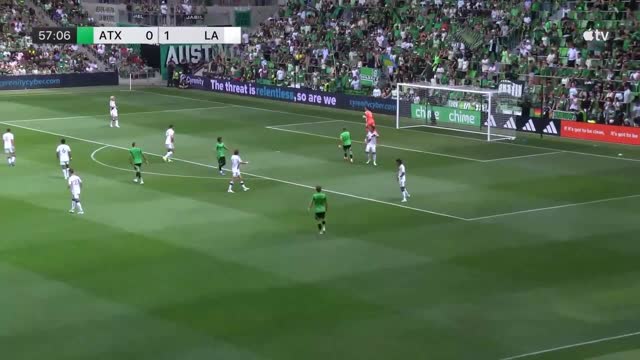
Austin FC’s Besard Sabovic Scrutinized: Midfielder Fined for Simulation
Austin FC’s Besard Sabovic Scrutinized: Midfielder Fined for Simulation
Austin FC’s recent marquee signing, Besard Sabovic, is finding that the transition to Major League Soccer comes with intense scrutiny both on and off the ball. Following Austin’s 2-1 defeat to the LA Galaxy on Matchday 7, the MLS Disciplinary Committee announced that the Swedish midfielder has been fined for simulation and embellishment. The ruling stems from an incident in the 57th minute at Q2 Stadium, where Sabovic was judged to have intentionally deceived the referee to win a foul.
Sabovic, who joined Austin from Djurgårdens IF in the winter to provide "physicality and vision" to the midfield, has been a central figure in Nico Estévez's tactical setup. However, the simulation fine adds to a frustrating start for the club, which currently languishes with a 1-3-3 record. While Sabovic’s technical quality has been evident, his attempt to gain an unfair advantage in the Galaxy match has drawn sharp criticism from analysts who labeled the move a "masterclass in deception."
Galaxy Edge Out Struggling Austin Side
The match itself highlighted Austin's ongoing struggles with chance creation. Despite Brad Stuver continuing to prove why he is one of the league's elite shot-stoppers, the Galaxy found ways to breach the defense. Erik Thommy’s winner ultimately sealed the three points for the visitors, leaving Austin with just one win in their opening seven matches. The Verde and Black have struggled to convert possession into dangerous opportunities, a problem that Sporting Director Rodolfo Borrell hoped Sabovic would help solve.
Stats from the match show that Austin’s xG (expected goals) remains among the lowest in the league. While holdovers like Dani Pereira and Owen Wolff have worked hard to maintain control in the middle of the park, the lack of a consistent goal threat is palpable. The disciplinary action against Sabovic serves as an unwelcome distraction for a team that desperately needs to focus on its offensive identity.
Impact of the Disciplinary Rulings
The league's decision to fine Sabovic is part of a broader Matchday 7 crackdown that also saw Portland’s Kristoffer Velde penalized. For Austin FC, the fine is less about the monetary cost and more about the reputation of their new Designated Player. Sabovic arrived with a resume that included UEFA Conference League experience, and he was expected to bring a level of professional maturity to the squad. As Austin prepares to face Toronto FC on April 18, all eyes will be on Sabovic to see if he can channel his intensity into positive contributions rather than headline-grabbing theatrics.
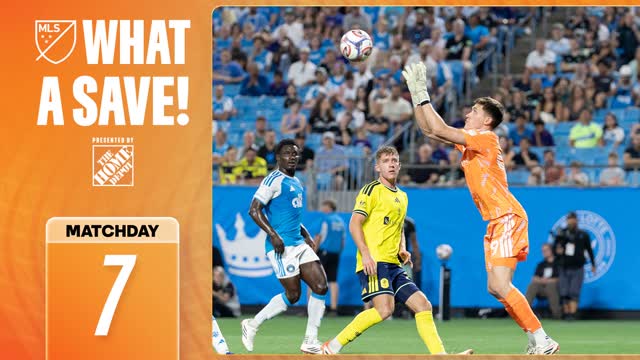
Wall of Defiance: Cabral Carter and Lula Gavran Headline Matchday 7’s Physics-Defying Saves
Wall of Defiance: Cabral Carter and Lula Gavran Headline Matchday 7’s Physics-Defying Saves
Matchday 7 of the 2026 MLS season will be remembered for its last-minute goals and controversial red cards, but the real story for many tactical observers was the superhuman displays between the posts. From coast to coast, goalkeepers pulled off saves that seemed to defy the laws of physics, keeping their teams in matches that should have been long decided. Chief among these was the unexpected debut of Cabral Carter for LAFC, whose acrobatic performance at Providence Park nearly preserved his side's unbeaten record.
Carter was thrust into the spotlight in the 30th minute following a violent collision that forced starter Thomas Hasal out of the game. Making his MLS debut, the 21-year-old Carter immediately faced a barrage from the Portland Timbers. His finest moment came in the 42nd minute, when he produced an incredible triple-save flurry, denying point-blank efforts that left the Portland strikers clutching their heads in disbelief. Though LAFC eventually fell 2-1, Carter’s arrival has provided the Black & Gold with newfound confidence in their goalkeeping depth.
Lula Gavran Holds the Line in Toronto
In the North, Toronto FC’s Lula Gavran was equally impressive in a 1-1 draw against FC Cincinnati. Gavran, who has stepped up as a reliable presence for the Reds, made a massive save in just the 6th minute to deny Tom Barlow on a breakaway. He followed that up with a diving punch to clear a goal-bound header from Matt Miazga in first-half stoppage time. His composure and reflexes were the only reason Toronto maintained their lead until the final seconds of the match. Gavran’s performance was a testament to his growth as a starter, especially with his defense missing veteran Walker Zimmerman.
Stuver and the League-Wide Standard
Meanwhile, in Austin, Brad Stuver continued his season-long campaign for Goalkeeper of the Year honors. Despite a 2-1 loss to the LA Galaxy, Stuver recorded five saves, several of which required full-stretch lateral dives to parry away deflected shots. According to advanced metrics, Stuver currently ranks as one of the top three shot-stoppers in the league for xG prevented. Matchday 7 also saw James Pantemis of Portland and Roman Celentano of Cincinnati make vital contributions, proving that the standard of goalkeeping in MLS has reached an all-time high. As we look toward the mid-season mark, these "walls of defiance" are proving to be the difference between playoff contention and an early off-season.

Dazzling the Defense: Matchday 7’s Most 'Disrespectful' Dribbles Redefine MLS Flair
Dazzling the Defense: Matchday 7’s Most 'Disrespectful' Dribbles Redefine MLS Flair
The 2026 MLS season has been defined by a surge in technical quality, and Matchday 7 provided a highlight reel that fans will be rewatching for weeks. While tactical discipline and defensive structure are the foundations of winning, the individual brilliance of the league's top playmakers stole the show this past weekend. From the rain-slicked pitch in Portland to the high-altitude drama in Colorado, players utilized "disrespectful" dribbles to dismantle elite defenses and ignite the crowds.
One of the most talked-about sequences came from Portland’s Kristoffer Velde. Before his disciplinary issues became the headline, Velde put on a masterclass of ball control against LAFC. In the 32nd minute, he executed a breathtaking nutmeg on a retreating defender before skipping past the edge of the penalty arc to fire home the opening goal. His ability to manipulate the ball in tight spaces was the catalyst for Portland's upset win, showcasing the flair that made him a priority signing this winter.
A Masterclass in Movement and Deception
In Miami, the legendary Lionel Messi continued to defy age, providing several moments of magic in a 2-2 draw with the New York Red Bulls. Messi’s trademark low-center-of-gravity dribbles left multiple Red Bull midfielders chasing shadows at Miami Freedom Park. One particular sequence in the second half saw him navigate through three defenders in a phone-booth-sized space, nearly setting up a winner. The Red Bulls' youth stars, led by Adri Mehmeti, responded with their own brand of dynamic dribbling, proving that the next generation is ready to challenge the established icons.
The technical display wasn't limited to the stars. In Cincinnati’s hard-fought draw in Toronto, Evander and Samuel Gidi engaged in a midfield battle that featured an array of step-overs and body feints. The ability to maintain possession under heavy pressure was crucial for Cincinnati as they navigated the final 20 minutes with ten men. These displays of individual skill are not just for the cameras; they are tactical tools used to break down the increasingly sophisticated defensive blocks found across the league.
Recapping a Week of Technical Brilliance
As the dust settles on Matchday 7, the league standings reflect a wide-open race. The Vancouver Whitecaps and Nashville SC lead their respective conferences, but the gap between the top and bottom is shrinking. Teams that can marry this individual "disrespectful" flair with collective discipline are the ones rising to the top. As we head into the next round of fixtures, the focus remains on the playmakers who can turn a match on its head with a single touch. For fans of the beautiful game, Matchday 7 was a vivid reminder that in MLS, the unexpected is always just one dribble away.
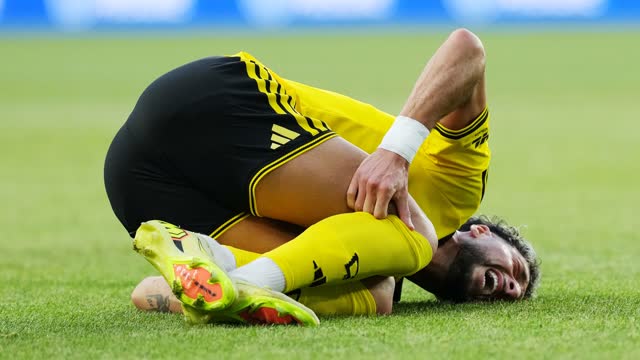
Columbus Crew Fears Long-Term Absence for Wessam Abou Ali
Columbus Crew Fears Long-Term Absence for Wessam Abou Ali
The Columbus Crew and their supporters are facing a period of deep uncertainty following a devastating injury to star forward Wessam Abou Ali during Sunday’s 1-1 draw against Orlando City. The Palestinian international, who has been the focal point of the Crew’s attack this season, was forced to leave the pitch on a stretcher in the 35th minute, leaving a somber atmosphere at Lower.com Field. Initial medical assessments have confirmed the worst fears: a torn anterior cruciate ligament (ACL) and meniscus damage in his right knee, an injury that likely sidelines him for the remainder of the 2026 campaign.
The incident occurred in the 22nd minute when Abou Ali attempted to dispossess Orlando's Brian Ojeda. Despite no contact being made, the striker went down in visible agony, clutching his knee. Although he briefly attempted to return to play after consultation with the medical staff, he collapsed again ten minutes later, signaling to the bench that he could no longer continue. Abou Ali, who has already registered five goals and an assist in seven matches this year, took to social media shortly after the game to confirm the diagnosis, describing it as a "new challenge" he is determined to overcome.
Impact on Rydström’s Tactical Blueprint
For head coach Henrik Rydström, the loss of Abou Ali is a significant tactical blow. Rydström, who took over the reins after Wilfried Nancy’s departure to Celtic FC, has been working to instill a high-pressing, fluid offensive system. Abou Ali was the linchpin of that system, providing both clinical finishing and tireless defensive work from the front. With the forward now sidelined, the Crew must look to internal solutions to fill the void.
In the immediate aftermath of the injury, teenage homegrown talent Taha Habroune was called upon. Habroune showed flashes of brilliance, eventually providing the assist for Diego Rossi’s 80th-minute equalizer. However, relying on a young prospect to carry the goal-scoring burden for a team with championship aspirations is a tall order. The pressure now shifts to Rossi, who ended a four-match goal drought on Sunday, and veteran Jamal Thiaré to maintain the team's offensive output.
Statistical Struggle at Home
The injury overshadows a concerning trend for the Black & Gold: their inability to secure a victory at home this season. Following the draw with Orlando, the Crew’s home record stands at 0-1-2. While the team showed resilience to come back after Marco Pašalić’s early 14th-minute opener for Orlando, the lack of a winning edge at Lower.com Field is a growing concern for the coaching staff. Patrick Schulte, the Crew’s standout goalkeeper, finished the match without a save, reflecting a game that was largely played in the midfield but lacked the finishing touch that Abou Ali usually provides.
Looking Ahead
Columbus currently sits with a 1-3-3 record, a position that belies the talent on their roster. The road ahead does not get any easier, as they must now navigate the rigors of the MLS schedule without their most productive striker. The medical team will monitor Abou Ali’s surgery and recovery timeline closely, but for now, the Crew must reinvent themselves on the fly if they hope to climb the Eastern Conference standings. The resilience shown by the squad in the second half against Orlando provides a glimmer of hope, but the absence of their number nine will be felt in every match to come.
San Jose Earthquakes Extend Historic Start with Victory in Kansas City
San Jose Earthquakes Extend Historic Start with Victory in Kansas City
The San Jose Earthquakes continued their remarkable resurgence under head coach Bruce Arena, securing a convincing 3-1 comeback victory over Sporting Kansas City at Children’s Mercy Park this past weekend. The win pushes San Jose to a club-record 6-1-0 start to the 2026 season, drawing them level with the Vancouver Whitecaps at the top of the Western Conference standings. Despite playing without star signing Timo Werner, who missed his second straight match with a lower-body injury, the Earthquakes displayed a clinical edge and defensive discipline that has defined their campaign thus far.
The match didn't start in San Jose's favor, as Sporting KC’s Jacob Bartlett scored his first career MLS goal in the 27th minute to give the hosts an early lead. However, the Earthquakes remained composed, responding just before the halftime whistle. Jack Skahan, who has emerged as a vital component of Arena’s rotation, leveled the score in the 45th minute with a precise first-touch shot from a Niko Tsakiris cross. Skahan wasn't finished, adding a second just four minutes after the restart to give San Jose a lead they would never relinquish.
The Bruce Arena Factor and Team Unity
Since taking over the Earthquakes, Bruce Arena has transformed a side that often struggled for consistency into a cohesive, high-functioning unit. Following the match, Arena praised the group's depth, noting that the absence of high-profile players like Werner has allowed others to step into the spotlight. "We don't care who scores," Skahan remarked post-game, echoing Arena’s philosophy of collective responsibility. This unity was evident as Dave Romney capped the scoring in the 75th minute, sealing the three points and ensuring San Jose’s third consecutive victory.
Key to this success has been the development of young talent like Niko Tsakiris. The 20-year-old midfielder recorded two assists on the night, orchestrating the attack with a level of maturity that has caught the eye of national team scouts. San Jose’s defense, anchored by Romney and goalkeeper Daniel, has conceded a league-low two goals this season, providing the foundation for their historic run.
Sporting KC’s Growing Pains
For Sporting Kansas City, the loss marks their third consecutive defeat, leaving them with a disappointing 1-5-1 record. Despite the bright spot provided by Bartlett’s opening goal and Dejan Joveljić’s creative play, Peter Vermes’ side struggled to contain San Jose’s movement in transition. The lack of defensive cohesion has been a recurring theme for SKC this season, and they now find themselves languishing near the bottom of the Western Conference. Vermes will need to find answers quickly as the pressure builds in Kansas City.
A Showdown on the Horizon
San Jose now turns their attention to a highly anticipated stretch of the season. With the potential return of Timo Werner this week, the Earthquakes' attack could become even more formidable. Arena, ever the pragmatist, was quick to temper expectations, reminding fans that it is a long 34-game season. Nonetheless, with 18 points already in the bag and a goal differential of +11, the Earthquakes have established themselves as genuine contenders for the Supporters' Shield. The "locker-room unity" Skahan spoke of will be tested as the season progresses, but for now, San Jose is the team to watch in the West.

Jesus Bueno: The Engine Behind Philadelphia Union's Hard-Fought Revival
Jesus Bueno: The Engine Behind Philadelphia Union's Hard-Fought Revival
After a grueling start to the 2026 season that saw the reigning Supporters' Shield champions lose six consecutive matches, the Philadelphia Union have finally found their footing. The breakthrough came at Stade Saputo on Saturday, where a 2-1 comeback victory over CF Montréal provided a much-needed sense of relief for head coach Bradley Carnell and his squad. The protagonist of the afternoon was Venezuelan midfielder Jesús Bueno, whose 70th-minute half-volley not only secured the three points but also earned him the league’s "Energy Moment of the Matchday" honors.
Bueno’s performance was a masterclass in midfield efficiency. Stepping into the starting XI in place of the injured Danley Jean Jacques, Bueno completed 36 of 40 passes (90% accuracy) and recorded 54 touches across the pitch. His ability to break up play and transition quickly into the final third was instrumental in overcoming a 1-0 deficit after Montréal's Iván Jaime opened the scoring in the 23rd minute. The equalizer came from defender Japhet Sery Larsen in the 55th minute, but it was Bueno’s clinical finish from the edge of the box that ultimately decided the contest.
Navigating an Offseason of Change
The Union’s slow start can be attributed to a significant roster overhaul during the winter. Key pillars of the 2025 Shield-winning team, including Kai Wagner, Jakob Glesnes, and Mikael Uhre, departed for new challenges, leaving Carnell with the daunting task of integrating new faces into his high-intensity system. This transition was further complicated by an early exit from the Concacaf Champions Cup, which seemed to sap the team's confidence in the early weeks of the MLS season.
However, the win in Montréal suggests that the new-look Union are beginning to gel. Andre Blake remains a steadying force in goal, making four crucial saves on Saturday, while young prospects like Ezekiel Alladoh and Bruno Damiani are starting to find their rhythm in the attacking third. Carnell noted post-match that while the victory is only three points, the "joy and relief" visible in the locker room is a vital building block for the remainder of the campaign.
Bueno’s Rising Influence
For Jesús Bueno, the goal was a just reward for his consistency. One of the longest-tenured members of the current roster, Bueno has often played a supporting role, but his performance on Saturday proved he can be the heartbeat of the team when called upon. His statistical profile—five passes into the final third, three recoveries, and zero fouls committed—highlights a player who is disciplined yet creative. As the Union look to climb back up the Eastern Conference table, Bueno’s versatility and energy will be crucial.
What’s Next for the Union?
With their first win secured, the Union return to Subaru Park this coming Saturday to face Eastern Conference rivals D.C. United. The goal now is to build a level of consistency that has been missing so far in 2026. "We have to build a level of consistency and challenge ourselves to start winning the game in the week," Carnell said. If the Union can carry the momentum from the Montréal victory and keep players like Bueno in top form, the nightmare start to the season may soon become a distant memory.
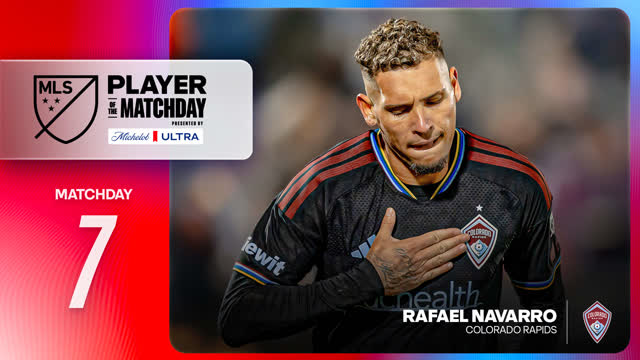
The Navarro Show: Colorado Rapids' Star Dominates Matchday 7
The Navarro Show: Colorado Rapids' Star Dominates Matchday 7
In a Matchday 7 performance that will be remembered for years in Denver, Rafael Navarro led the Colorado Rapids to a historic 6-2 demolition of Houston Dynamo FC. The Brazilian striker was untouchable, recording two goals and an assist to claim the MLS Player of the Matchday honors. The victory was not only a statement for the Rapids but also tied a club record for the most goals scored in a single regular-season match, a feat previously achieved in 2019.
Navarro’s dominance was evident from the opening whistle. His clinical finishing and ability to link play have made him one of the most feared strikers in the league this season. With his latest contributions, Navarro has reached a league-high nine goal contributions (5 goals, 4 assists) in just seven matches. His performance against Houston was particularly impressive given the second-half surge; the Rapids scored four of their six goals after the interval, continuing a trend where they have scored a league-best 12 goals in the final 45 minutes of matches.
A Catalyst for Change in Colorado
Under the guidance of the coaching staff at Dick's Sporting Goods Park, Navarro has evolved into more than just a poacher. His 78.5% pass accuracy and ten chances created this season highlight his role as a creative hub for the Rapids' attack. Against the Dynamo, his movement off the ball pulled defenders out of position, allowing teammates like Dante Sealy and Darren Yapi to find space in dangerous areas. The Rapids now share the league lead for total goals scored (19) with the Vancouver Whitecaps, a stark contrast to the offensive struggles of previous seasons.
Roster Depth and Defensive Stability
While Navarro headlined the show, the Rapids’ success is a product of a balanced roster. The defensive unit has provided a stable platform, allowing the attackers to play with freedom. Players like Zack Steffen and the backline have managed to keep games within reach, even when the offense takes time to find its rhythm. This balance will be tested as the Rapids enter a congested part of the schedule, including an upcoming US Open Cup Round of 32 clash against Union Omaha on Tuesday.
Looking Ahead: Messi and Inter Miami
The Rapids have little time to celebrate their Matchday 7 masterclass, as a marquee showdown looms on the horizon. This Saturday, Colorado will host Lionel Messi and Inter Miami CF at Empower Field at Mile High. The match is expected to draw a record crowd and serves as a significant litmus test for the Rapids’ championship credentials. With Navarro in the form of his life and the team playing with a high level of confidence, the matchup promises to be an offensive spectacle. For the 25-year-old Brazilian, it is an opportunity to prove his worth on the biggest stage against the league’s most iconic star.

Screamers and Stunners: Who Claims the MLS Goal of the Matchday?
Screamers and Stunners: Who Claims the MLS Goal of the Matchday?
Matchday 7 of the 2026 MLS season provided a highlight reel that will be difficult to top. From long-range rockets to intricate team goals, the candidates for the AT&T Goal of the Matchday represent the very best of the league's attacking flair. As fans cast their votes, several standout moments have emerged as frontrunners, highlighting the individual brilliance that defined a high-scoring weekend across North America.
At the top of the list is Rafael Navarro’s second goal in the Colorado Rapids’ 6-2 win over Houston Dynamo. The Brazilian striker showcased his technical prowess by receiving a pass on the turn and unleashing a curling effort from 25 yards out that nestled into the top corner. It was a goal that encapsulated Navarro’s current form—confident, precise, and unstoppable. His contribution to the Rapids’ record-tying performance has made him a favorite not just for Player of the Matchday, but for the season's goal honors as well.
Bueno’s Half-Volley and Tsakiris’ Vision
Another strong contender comes from Montréal, where Philadelphia Union’s Jesús Bueno struck a sweet half-volley to complete a dramatic comeback. The goal was as aesthetically pleasing as it was significant, ending the Union’s six-game losing streak. The technique required to keep the ball low and driven while it was still rising speaks to the Venezuelan’s quality in high-pressure moments. Similarly, in Kansas City, the build-up to Jack Skahan’s first goal for San Jose—orchestrated by Niko Tsakiris—showcased the fluid, attacking football that has become a hallmark of Bruce Arena’s side this season.
Under-the-Radar Contenders
Beyond the high-profile matches, several other goals deserve recognition. Zavier Gozo’s audacious volley for Real Salt Lake and Emil Forsberg’s clinical free kick for the New York Red Bulls in recent weeks have set a high bar for the 2026 season. These strikes, combined with Juan Mosquera’s full-volley effort for the Portland Timbers, demonstrate a growing trend of technical excellence among the league’s younger and veteran stars alike. The diversity of goals this week—from set-piece specialists to transition-based finishers—highlights the tactical evolution occurring across MLS.
The Fan Vote and Season Significance
The Goal of the Matchday is more than just a weekly award; it serves as a barometer for the league’s entertainment value. With offensive output on the rise—most notably the 19 goals scored by both Vancouver and Colorado—the competition for these honors has never been fiercer. Fans have until Wednesday to cast their votes via the official MLS channels, with the winner to be announced ahead of the Matchday 8 fixtures. As the race for the Supporters' Shield heats up, these individual moments of magic continue to provide the spark that keeps the 2026 season one of the most compelling in recent history.