A New Dynasty? Indiana's Undefeated Run Challenges Meyer’s 'Super League' Exclusivity
A New Dynasty? Indiana's Undefeated Run Challenges Meyer’s 'Super League' Exclusivity
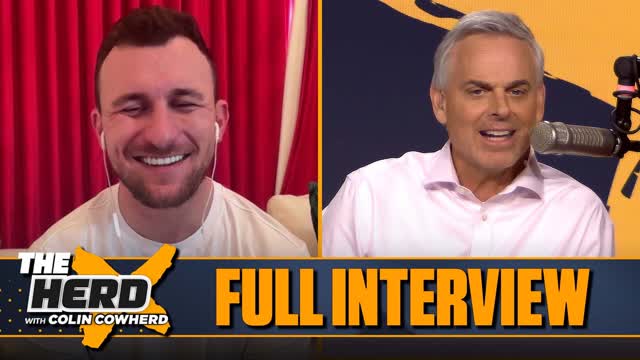
The Indiana Hoosiers just finished a season that shouldn't have been possible. In the midst of heavy debate between Urban Meyer and Colin Cowherd regarding the need for a "Super League" to save college football from its own chaos, the Hoosiers went out and won it all. On January 19, 2026, Indiana completed the first 16-0 season in FBS history, defeating Miami 27-21 at Hard Rock Stadium to claim the school's first-ever national title. It was a victory that fundamentally challenged the narrative that only a select few "blue blood" brands can dominate the modern era.
Head coach Curt Cignetti, now the consensus National Coach of the Year, has orchestrated a turnaround so rapid it has left even veteran analysts like Meyer stunned. Just two years removed from a 3-9 record, Indiana dominated the Big Ten, finished #1 in the AP Poll, and won the Big Ten Championship Game with a gritty 13-10 win over Ohio State. This run wasn't just a fluke; it was a clinical demolition of the status quo, powered by a top-ranked defense and a Heisman-winning quarterback in Fernando Mendoza.
The Blueprint for the Modern Champion
Indiana’s success provides a fascinating counterpoint to Meyer and Cowherd’s discussion about "the halves and the have-nots." Meyer often speaks about the necessity of having "grown ass men" on the roster—veteran players with three or four years of experience. Indiana followed this model to perfection. Their defense, led by coordinator Bryant Haines, allowed a measly 10.8 points per game, second-best in the nation. They were old, they were disciplined, and they were physically imposing.
The Hoosiers also proved that the "have-nots" can quickly become the "halves" if they embrace the current landscape of NIL and the transfer portal. By securing Mendoza from Cal and building around a core of experienced playmakers, Indiana circumvented the traditional 4-year recruiting cycle. Their roster age was comparable to an NFL team, a trend Meyer noted in his recent conversations with Ryan Day. If Indiana can do it, the argument for a restricted "Super League" that excludes mid-tier programs becomes much harder to sell to the general public.
The Future of the Program in 2026
As we sit in mid-February 2026, the question is whether Indiana can sustain this success. Coach Cignetti recently signed a record-breaking contract extension, effectively ending rumors that he might be lured away to Notre Dame or the NFL. With key players like Mendoza likely heading to the draft, the Hoosiers are once again active in the portal, looking to restock for a title defense. Their last game, the 27-21 thriller against Miami, showed they can win close games on the biggest stage, and their 38-3 drubbing of Alabama in the Rose Bowl proved they can blow out the giants.
The Meyer-Cowherd debate suggests that college football needs a commissioner to level the playing field, but Indiana's 2025 season suggests that the field might be more open than we think. While the "Super League" proposal would aim to create permanent members of an elite tier, Indiana’s rise proves that promotion shouldn't be a bureaucratic process—it should be earned on the field. The Hoosiers aren't just a feel-good story anymore; they are the new standard for program building in the 21st century.